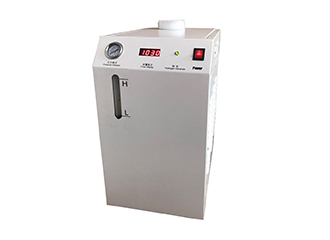
The Chinese Baijiu testing industry is famous for its long Ancient History, special fermentation techniques and stringent quality control measures. With a continual push towards better consumer acceptance and adherence to new norms and regulations, distilleries are increasingly pouring money into the technologies used in the laboratories to guarantee product quality. One of these technologies became one of the most critical analytical tools for monitoring the composition of alcohol, flavors and impurities during the process of its production, which is gas chromatography (GC).
A hydrogen generator for gas chromatography is also an indispensable device used in present Baijiu lab, and it is used to continuously generate high purity hydrogen for gas-analysis instruments. Hydrogen can affect instrument stability and analytical accuracy when it is used as a hydrogen carrier gas or used as a fuel in a flame ionization detector (FID). Traditionally, laboratories have used compressed hydrogen cylinders; the management of these cylinders has been costly, hazardous, and disruptive to use. Today, many laboratories are switching from cylinders to a lab hydrogen generator, with a constant supply of hydrogen gas and an increase in laboratory gas supply efficiency.
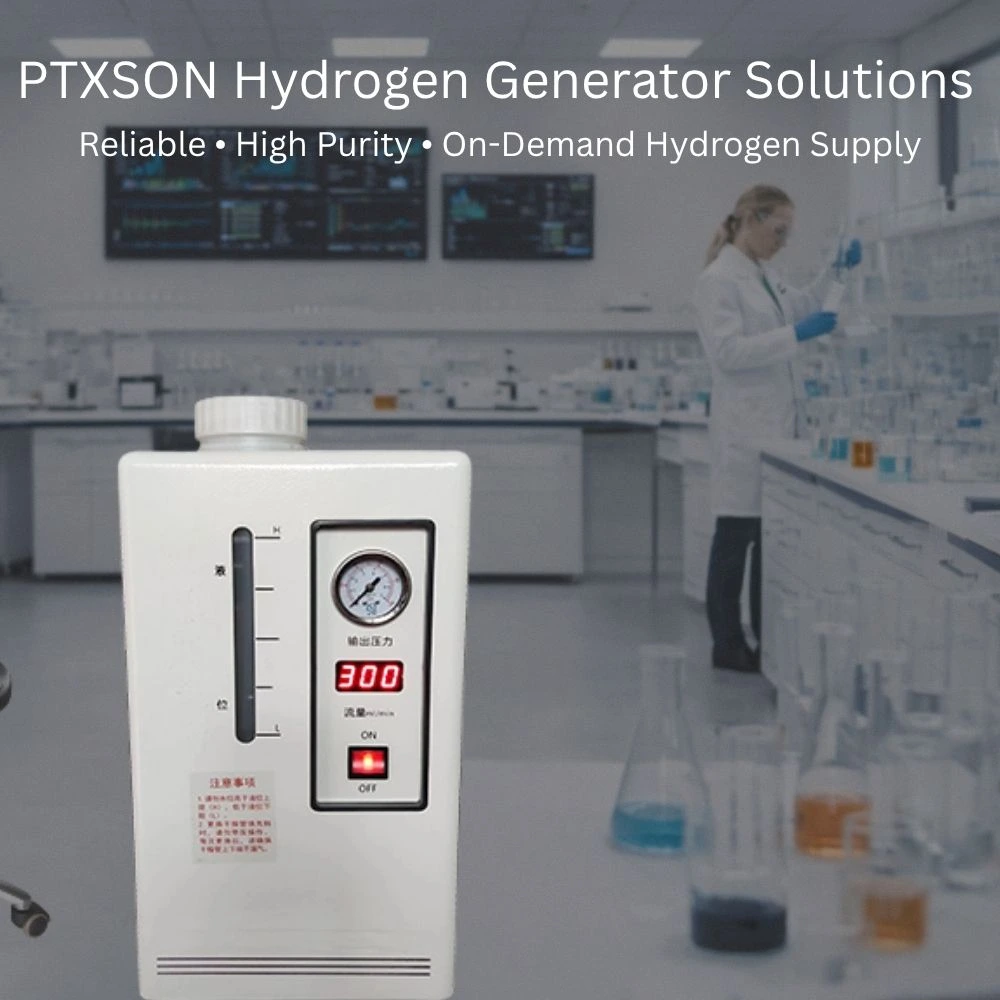
One effective application is from a Baijiu factory from Anhui province which is one major white spirit manufacturing area in China. The company has an established advanced quality control lab, which includes many gas chromatography instruments to conduct routine product tests.
For everyday analytical work in the lab, such as methanol detection, volatile component hydrogen generator for laboratory analysis, and overall Baijiu product quality test, it is essential for the lab to have a reliable hydrogen generator to facilitate the analysis by gas chromatography. Continuous testing during production was carried out in the laboratory; it was necessary to have a constant hydrogen supply to maintain a constant analytical result.
The distillery has installed a high purity hydrogen generator especially for laboratory applications in order to enhance the efficiency of the process and to minimize the use of compressed gas cylinders. The system is now producing hydrogen continuously to enable accurate testing and continuous lab operations.
The gas chromatography is able to separate and analyze volatile compounds to extremely high degrees of precision. In order for this process to be stable, it is necessary to have a steady hydrogen pressure, flow, and clean supply.
A hydrogen generator for gas chromatography produces hydrogen that has been proven to meet the purity requirements of today’s GC system, ensuring repeatable analytical performance. Stable gas flow is crucial when performing long analytical runs, since peak hold-up times and detector sensitivity will be influenced by gas flow changes.
In many cases, on the other hand, hydrogen is also used as a fuel for the flame ionization detector (FID), and a reliable supply of laboratory gases is crucial to a workable analysis system. With a dedicated, new GC hydrogen generator, the worry about having to run out the cylinder during testing is removed and the risk of cylinder replacement downtime is reduced.
Stable instrument performance and efficient laboratory work, especially for those labs that are always measuring the performance of their products, make a laboratory hydrogen generator an investment worth considering.
The hydrogen gas generator is a method for producing hydrogen that does not store compressed gas. The first step in the process is to provide purified or deionised water to an electrolytic cell.
When an electric current is passed into the electrolytic cell, water molecules are split up into hydrogen and oxygen molecules. The hydrogen is produced at the Cathode and oxygen is released at the Anode. This advanced membrane technology is preventing gas mixing and thus avoidable loss of efficiency during hydrogen production and to allow stable operation.
Hydrogen undergoes a number of purification processes to get rid of impurities and moisture before it will leave the system. Ultimately, the result is a dependable stream of high purity hydrogen that is ideal for rigorous use in gas chromatography instruments.
Current manufacturers of modern H2 generators integrate electrolysis technology, gas purification modules, intelligent pressure control and automatic monitoring systems, and integrate them into a compact device dedicated to analytical laboratory equipment.
High Purity Hydrogen Output
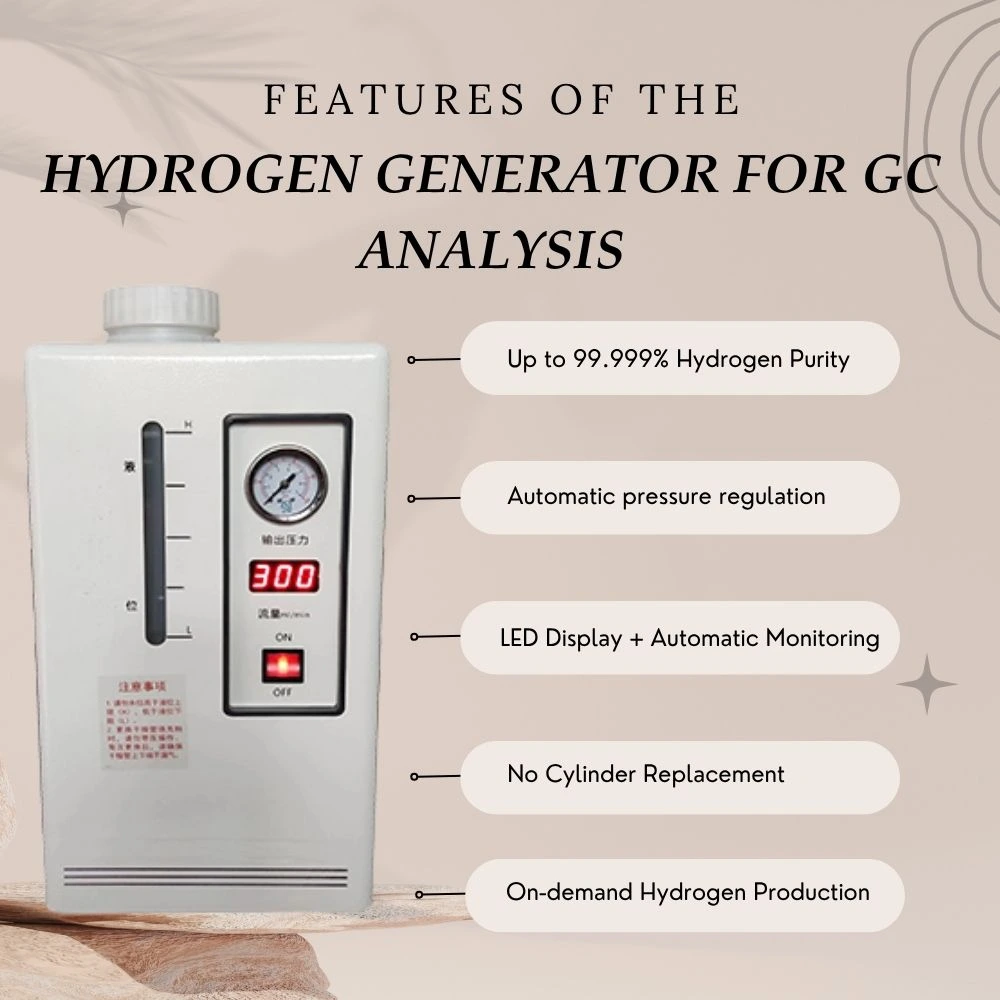
High purity hydrogen generators produce hydrogen with consistent high purity that is ideal for applications like sensitive GC systems. Stable hydrogen quality helps to ensure an accurate chromatographic separation, consistent detector performance, and reproducible laboratory results. Gas purity is required for laboratories that require the detection of methanol and detailed component analysis, for confidence in analytical data.
How to control a flow that isn’t stable?
The modern laboratory analysis hydrogen generators feature intelligent control systems, which automatically adjust the gas pressure and output flow. LED digital display can help laboratory staff to make instant monitoring of the operation status; automatic pressure adjustment can help to keep the gas flowing even when the analytical run is lengthy.
For added reliability, multiple GC instruments can be run continuously, with little need for operator interruptions with flow monitoring and automatic system protection.
N2O is a safe source to Hydrogen Cylinders
An on-site hydrogen generator for gas chromatography, however, has operational benefits when compared with traditional cylinders. This generator does not store a lot of compressed hydrogen, but only generates the amount needed for the instrument. This dramatically cuts down on storage space and decreases the danger of being hurt when handling cylinders.
Continuous hydrogen production further eliminates interruption of testing schedules due to cylinder changes, resulting in safer test environment and reducing overall interruption in the lab.
After putting the hydrogen generator into use for testing the quality control lab at Baijiu Distillery made a number of improvements.
This allowed the laboratory to reduce staff time spent on cylinder pressure monitoring, and preclude cylinder replacement scheduling, resulting in improved efficiency. Since the continuous hydrogen production keeps continuous gas analysis of the GC possible, production runs were not interrupted because of such.
Use of the lab hydrogen generator further enhanced safety of the workplace as it eliminated the need for cylindrical high pressure hydrogen gas. The stable hydrogen output also contributed to the stable chromatographic performance during the quality testing of Baijiu which enabled the laboratory to obtain accurate analytical results when testing for the presence of methanol and flavor components.
Moreover, the company cut down the cost of transporting and renting gas cylinders, on-site gas storage, and increased lab productivity.
Any hydrogen gas generator employed in the laboratory applications practice can quickly be depended on for long-term operation through routine maintenance.
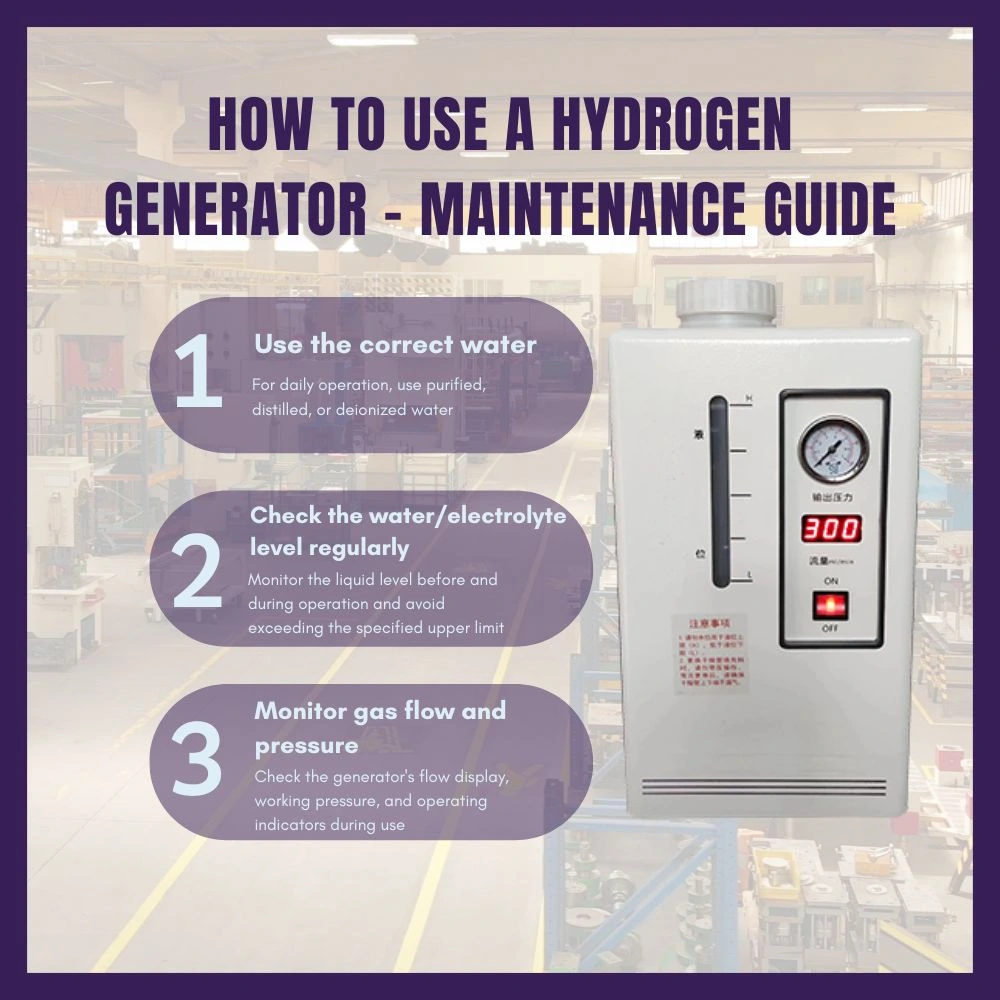
Deionized water should be replaced regularly at the plant to ensure the efficiency of the electrolysis process and to avoid increasing the concentration of minerals in the water it is being electrolysis processed. Also, the desiccant cartridges need to be replaced from time to time to ensure that the gas remains pure from the presence of moisture.
Water levels, electric connections, gas output indicators and system pressure should be checked as part of the daily activities. In addition to increasing the life of equipment, preventive maintenance is important to keep critical analytical laboratory equipment in continuous operation.
Most of the modern hydrogen generator manufacturers offer schedules of maintenance and automated monitoring systems which make the usual maintenance easy and reduce the downtime during the operating process.
While a quality control application of Baijiu, hydrogen generators are used in many industries for gas chromatography.
In the food and beverage industry, a hydrogen generator for food testing is used in the quality assurance laboratory to test food additives, contaminants, pesticide residues and food flavour compounds.
Pharmaceutical companies depend on hydrogen generators in the pharmaceutical labs as well as in the drug development, raw material analysis, and quality control processes where analytical precision is essential.
The Hydrogen Generators are used in chemical manufacturing for chemical analysis, supporting research laboratories, monitoring processes (process control) and verification of products (quality control).
Because of the advantages of renewable energy supplies, many environmental lab facilities are using hydrogen generators to detect air quality, water pollution, soil samples, and industrial pollution. In all these sectors, the uninterrupted production of hydrogen introduces greater efficiency in the laboratory and guarantees dependable analysis.
PTXSON is a manufacturer of hydrogen generators specializing in on-site hydrogen generation solutions for laboratory, analytical, industrial and hydrogen based applications. It offers hydrogen production systems that offer predictable hydrogen production, stable operation, intelligent control, and decreased reliance on compressed gas cylinders.
PTXSON’s high-purity hydrogen generation solutions are designed to support laboratories in which gas chromatography applications are critical and require a reliable gas supply and quality. PTXSON also designs hydrogen and oxyhydrogen production machinery for such uses as lab gas production, welding, combustion and engine carbon cleaning systems, and sells them to customers throughout the world.
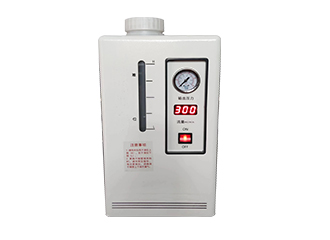
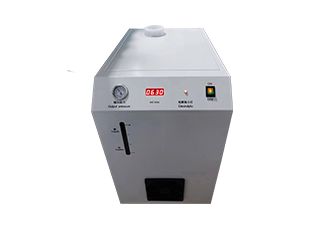
The pure hydrogen generator uses SPE technology to electrolyze pure water to produce high-purity hydrogen. It is a lightweight, efficient, energy-saving, and environmentally friendly high-tech patented gas generation equipment.
The 3000ml hydrogen generator has small light weight shape with the function of low-pressure gas production,high purity hydrogen output, and automatic tracking of hydrogen flow rate.