Oxygen bars have been the main wellness trend over the decades but a new frontier is emerging, hydrogen inhalation therapy, is quickly becoming not only a spa experience, but a mainstream wellness technology. What has been a fanciful therapy offered only by wellness resorts at a high price has become a convenient home-based recovery device that consumers are actively pursuing. Such change is indicative of a larger trend in wellness in which people are no longer interested in waiting to visit a spa a few times; instead, they are investing in hydrogen therapy equipment to help them in the recovery process that allows them to do so daily and in the comfort of their home with customized treatments.
Wellness spas nowadays are changing their services to incorporate molecular hydrogen inhalation therapy sessions in addition to the conventional services such as saunas, red-light therapy, and cryotherapy chambers. These luxury spaces will make hydrogen booths flagship therapies, with 15-30 minutes sessions that will guarantee better recovery, less inflammation, and clarity of mind. Nonetheless, the trend is evident, as the consumers are starting to realize that frequent visits to the spa cannot be compared to the positive effects of the consistent and frequent therapy, prompting the sales of the hydrogen inhalation therapy devices with the level of clinical quality, allowing the users to get treatments in the comfort of their homes. This democratization of hydrogen technology is a radical alteration of the way people treat their wellness and recovery and stop being on luxury experiences and start practicing their health as a part of their daily lives. In the next section, we shall discuss what is hydrogen therapy?
Hydrogen therapy is the therapeutic use of molecular hydrogen gas (H 2 ) usually administered by inhalation via nasal cannulas or masks, and usually combined with oxygen to increase safety and bioavailability. In contrast to oxygen therapy, which is a basic respiratory aid, molecular hydrogen is a selective antioxidant and cellular signaling modulator, which exists by specific biochemical mechanisms that neutralize free radicals and regulate inflammatory reactions and is neither a sedative nor stimulant.
Therapeutic efficacy is largely dependent on the mode of delivery. The systemic exposure is the quickest, and molecular hydrogen is able to penetrate the blood-brain barrier within minutes and diffuse across the cellular compartments with molecular hydrogen inhalation therapy. Other forms of delivery are hydrogen-rich water (slower absorption, but can be administered on a daily basis) and hydrogen-enriched saline to be used topically or as an injection. Nevertheless, inhalation is the gold standard of immediate, quantifiable effects, and provides concentrated H 2 directly to systemic circulation where it can have antioxidant effects in the whole body simultaneously.
The biochemical process is what makes hydrogen different as compared to other antioxidants. Molecular hydrogen does not just scavenge free radicals, but rather selectively attacks the most damaging reactive oxygen species – especially hydroxyl radicals – and does not inhibit the many beneficial oxidative signaling events that are required to maintain normal cellular activity. This selective behavior in combination with the capacity of hydrogen to regulate the expression of inflammatory cytokines, as well as to stimulate cellular stress-response mechanisms, makes it a complex therapeutic agent as opposed to a crude antioxidant one.
The scientific evidence of hydrogen therapy is still encouraging but also cautious enough. Both clinical and preclinical trials show significant improvements of oxidative stress indicators, inflammatory biomarkers and metabolic indices in a wide range of conditions of both neurological disorders and post-exercise recovery. Nevertheless, the scientific community highlights that hydrogen therapy is still only a therapeutic supplement and not a panacea with the mechanisms that it works by having been partially elucidated, and clinical uses continuing to develop.
Hydrogen inhalation therapy reviews in the real world have constantly reported an increase in energy levels, less post-exercise soreness, increased mental clarity, and fewer instances of inflammation. Users report about concrete advantages such as being able to recover faster after intense training, thinking more clearly when one needs to work hard, and experiencing less pain when an autoimmune flare strikes. Patients with chronic-fatigue complain of better endurance, whereas the wellness users complain of more comfortable day-to-day functioning and fewer energy crashes. These subjective changes are consistent with physiological processes that have been found in studies, and they make interesting stories despite the fact that larger and more valid clinical trials are being called on by the scientific community.
The clinical response to the question of whether or not hydrogen therapy works contains subtle evidence: the effects are most clearly positive in terms of inflammation reduction, post-exercise recovery, and overall management of inflammatory state, in which both mechanistic knowledge and anecdotal reports are convergent. Use in neurological disorders, metabolic disease and anti-aging is yet to be developed but experimental and needs further investigation before clinical guidelines. The use of hydrogen therapy has to be treated with evidence-based optimism by users who should realize where the science is strongest and should be realistic regarding the new developments.
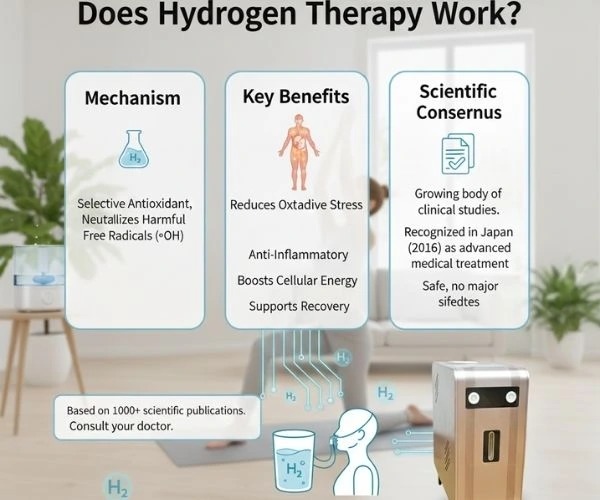
The most interesting mechanism of molecular hydrogen is the regulation of the pro-inflammatory process and the avoidance of surplus free radicals that proliferate during severe exercise, persistent stress, or even illness. Hydrogen therapy helps in relieving joint pain, speeding up tissue healing, and faster healing of physical stress by decreasing systemic inflammation without suppressing the essential immune reactions.
There is some specific potential in clinical use in chronic pain disorders, flares of autoimmune conditions and post-viral fatigue where inflammatory hyperactivity contributes to symptom severity. Clinics that are forward-thinking combine hydrogen inhalation therapy for athletes with physiotherapy, chiropractic care or movement medicine and note the faster recovery rates and better tissue healing than with conventional methods alone. When hydrogen inhalation is included in the recovery regimen, athletes always complain of muscle soreness, quicker strength restoration, and enhanced training adherence.
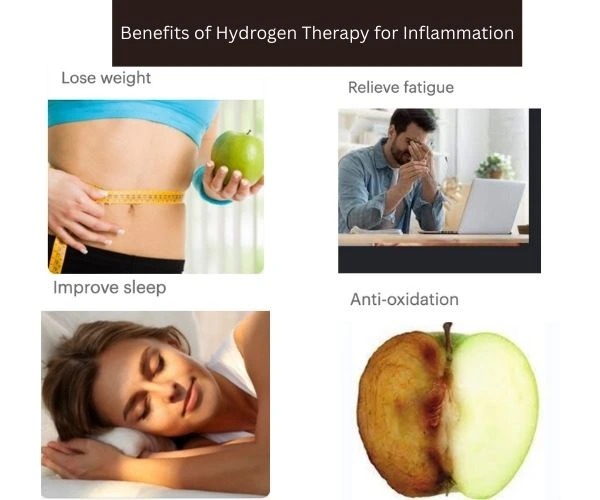
In addition to particular circumstances, hydrogen therapy can help with overall wellness by decreasing inflammatory crashes, i.e. these times when one has built up physical or mental stress causing fatigue, brain fog, or generalized malaise. The users of regular hydrogen inhalation therapy report about more streamlined recovery patterns, wherein the post-workout soreness disappears quicker and post-illness fatigue recovers more thoroughly. This overall anti-inflammatory action makes hydrogen therapy a recovery optimizer, which allows people to train more, work more, and continue practicing health regularly.
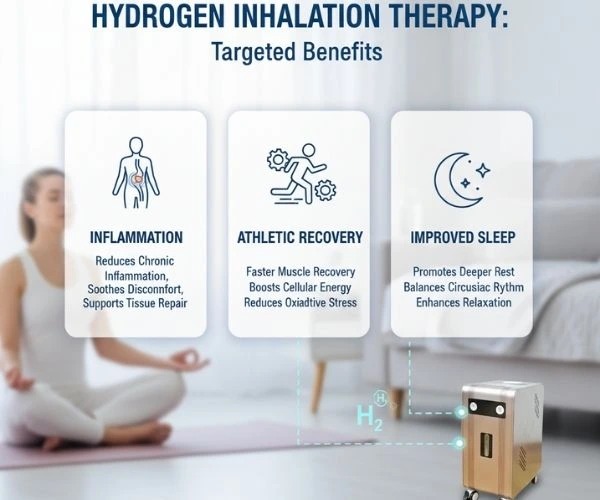
Oxidative stress and nervous-system over-activation Sleep disturbance is often associated with cellular damage and inflammatory signals that can cause a deep sleep, and these signals become trapped with cumulative cellular damage. The role of Hydrogen inhalation therapy in this mechanism is that it decreases oxidative stress and alters inflammatory cytokines that inhibit melatonin production and progression of sleep stages.
The users report that deep sleep and fewer night awakenings are always better after hydrogen therapy sessions, especially when done in the evening wind-down activities. The sleep with a hydrogen therapy machine is based on low-flow sessions during reading, meditation, or relaxation practicing when the calming ritual should be used to supplement the biochemical action of the molecular hydrogen. The protocols of the premium spas involve integrating hydrogen booths with relaxation music, aromatherapy and guided meditation, which are multisensory experiences that simultaneously target biological and psychological drivers of sleep.
It is necessary to establish hydrogen therapy as a possible supplement to stress-related insomnia instead of a substitute to medical sleep therapy. Those who have primary sleep disorders or insomnia related to medication dependence need to seek full medical examination as opposed to hydrogen therapy. Nevertheless, as a non-pharmacological evidence-based product that targets underlying mechanisms and promotes the overall health of the nervous system, a hydrogen therapy machine for asleep is a tool that will help stress-responsive and performance-driven individuals whose sleep is subjected to the occasional over-activation or post-exercise recovery needs.
PEM (Proton Exchange Membrane) or SPE (Solid Polymer Electrolyte) technology is used in clinical-grade and high-end wellness hydrogen therapy device for recovery and generates extremely pure hydrogen gas through an electrochemical separation of water into molecular hydrogen and oxygen. Entrepreneurs use these membrane-based systems in both clinical and high-end wellness applications due to its 99.99%+ purity hydrogen generation, removal of harmful levels of hydrogen gases, and a consistent flow with minimal maintenance as compared to the older alkaline electrolyzer technologies.
Sophisticated devices such as high-capacity hydrogen therapy machines are an example of modern engineering with 3000 ml/min mixed H 2 O 2 output, 99.99% purity countercheck, intelligent 8-inch touchscreen interfaces, configurable flow-rate options, and several safety measures such as pressure relief, gas sensor, and automatic emergency shutdown measures. These advanced machines are equipped with dual cooling mechanisms that ensure that machines do not overheat during prolonged use with the clinical practitioners having the ability to offer a series of treatments without losing the equipment. Dual-mode designs combine inhalation sessions, spa-style sessions and daily wellness sessions by providing inhalation gas production and high-concentration hydrogen water simultaneously so that users can use acute recovery sessions with chronic supplementation using hydrogen-enriched drinking water.
Premium wellness spas sell hydrogen as flagship treatments, placing them below IV nutrient therapy, cryotherapy chambers, and infrared saunas as part of full recovery ecosystems. The common spa procedures include 15-30 minutes sessions administered using cozy booths with ambient lighting, sound systems, and optional aromatherapy, which provide experiences that are focused on relaxation and wellness and have a quantifiable physiological effect. These spa environments are important as discovery spaces where people are exposed to hydrogen therapy, personal response evaluation and confidence construction before committing to personal devices.
The simultaneous appearance of small home hydrogen generators, which are 900-3000 ml/min output, indicates that consumers have appreciated the fact that an occasional spa session is not as effective as regular and available therapy. Manufacturers are providing more all-inclusive lines of molecular hydrogen therapy machines in the clinical and home-based settings, allowing practitioners to prescribe spa-grade therapy and recommend home-based equipment to be used in a lower-intensity daily dose. Such positioning implies complementary and not competitive functions: spas are high-touch discovery and intensive treatment systems, and home devices allow consistent, personalized treatment that builds up over months and years of frequent utilization.
Existing scientific evidence has classified hydrogen therapy as being generally safe in therapeutic doses, and years of industrial experience of hydrogen safety with decades of accumulating clinical data, have indicated positive safety profiles. The medical advice is however still needed by the pregnant women, patients with chronic illnesses or complex medications that caninterfere with the biological effect of hydrogen. Such issues as respiratory problems, immunosuppression, and certain neurological medications ought to be addressed with a healthcare specialist, and then hydrogen therapy is not supposed to be initiated.
The uncommon side effects of mild hydrogen therapy occasionally known as temporary headaches, are light dizziness and temporary fatigue, which are often regarded as being due to the rapid mobilization of toxins or to alleviation of oxidative stress, bringing about temporary physiological changes.
The effects can be fixed in 1-3 sessions by simple measures such as a lower flow rate, shorter session, or more hydration. Serious adverse events are virtually eliminated by certified machines with proper safety engineering, adequate ventilation when they are used, and in compliance with manufacturer-recommended parameters of the session. The users must focus on devices that adhere to the international standards of safety, have several safety mechanisms that are used in a redundant way, and have extensive user training with the focus on the right selection of the session length and flow rate.
What is hydrogen therapy? New developments are good indications of the move by hydrogen therapy towards mainstream medical and wellness applications. Portable wearable hydrogen devices are being developed, which can be used in conjunction with smart-home health dashboards so that they can track therapy easily and consistently. The use of molecular hydrogen inhalation therapy by athletes and executives in subscription-based spa programs is rapidly growing, as it is acknowledged that this group of people is concerned about the optimization of performance. Future research directions involve specific protocols of metabolic disease, neuroprotection, and combination therapies of hydrogen inhalation and exercise prescription or sauna protocols.
The trend is obvious from hydrogen inhalation therapy reviews: Hydrogen therapy is moving out of the niche biohacking experiment and into mainstream wellness intervention and part of overall health interventions. Nevertheless, users have to integrate advanced technology with reasonable expectations, evidence-based instructions, and professional oversight where necessary. Hydrogen therapy should not be used on its own as a treatment but should be employed together with exercise, nutritional support, stress management, and sleep hygiene. The future-minded people are to consider hydrogen inhalation therapy as a strong weapon in the overall wellness architecture that produces tangible results when used properly and does not over-sell it as a panacea.