What is h2 therapy? Sportspeople are always looking at methods of quick recovery, better performance, and being ahead of the pack. As physical load and training workloads continue to rise, recovery now ranks alongside performance as a crucial aspect of training. This has caused a rise in the popularity of new wellness technologies, supported by new scientific research.
Molecular hydrogen-based therapy is one of such developments that are gaining traction. In case you are asking about what is h2 therapy, it is the use of molecular hydrogen (H2) to promote cellular health, oxidative stress reduction, as well as recovery. The hydrogen is a unique addition to the contemporary sports science unlike the traditional supplements as it targets the molecules.
The development of h2 therapy in professional and amateur sports indicates its potential in enhancing the healing process and sport performance. Elite training centers to common weight loss enthusiasts, athletes are looking into this strategy as a wider performance optimization strategy. The increasing recognition of the h2 therapy benefits and the availability of equipment, such as a hydrogen therapy machine, are further boosting its use.
To get an idea about the efficacy of hydrogen therapy, it is imperative to get a clue on how does h2 therapy work on a cellular level. The smallest and lightest molecule is molecular hydrogen that can easily penetrate cell membranes and access body parts that most common antioxidants cannot access.
The most crucial modification involving hydrogen therapy is the fact that it acts as a hydrogen antioxidant therapy. It has selective characteristics of neutralizing harmful free radicals and hydroxyl radical especially which have been reported to induce oxidative stress and cell damage. In contrast to traditional antioxidants which can cause alterations in useful reactive species, hydrogen only attacks the most toxic ones without the need to disrupt vital cellular signaling.
Scientific studies published in journals like the Medical Gas Research and the International Journal of Molecular Sciences propose that hydrogen could be used to alleviate inflammatory states, enhance metabolism, and cellular resilience. These results have elicited interests throughout the field of sports science, with the need to control oxidative stress as a crucial element of recovery and performance.
The athletes experience constant stress on their bodies and as a result, the body experiences muscle fatigue, inflammation, and oxidative damage. Here, the h2 therapy benefits come into play. The faster recovery of muscles of workouts or competitions is one of the most outstanding benefits.
Hydrogen therapy is useful in lowering oxidative stress that is a significant cause of delayed onset muscle soreness (DOMS). It reduces the inflammation, and as a result, athletes can be treated with fewer complaints and go back to training faster. Also a higher cellular output will be able to maintain a higher level of endurance and energy usage throughout performance.
The other significant advantage is a decrease in fatigue. In sports that engage in hydrogen therapy, the athletes may feel less fatigued after physical exertions that may translate to enhanced consistency in training. The increased attraction in the hydrogen inhalation therapy benefits points towards its effectiveness in improving the recovery process and overall athletic performance.
Inhalation is one of the quickest and most effective means of delivery of hydrogen in comparison to other modes. By introduction of hydrogen inhalation therapy benefits, the gas is taken up directly by the lungs and instantly into the bloodstream, making it possible to use it on a systemic level.
This technique comes in handy especially among sportsmen requiring rapid restoration following such fast-paced training. Its fast absorption guarantees the rapid delivery of hydrogen to muscles and tissues, which lowers oxidative stress and acts in real-time to facilitate the healing process.
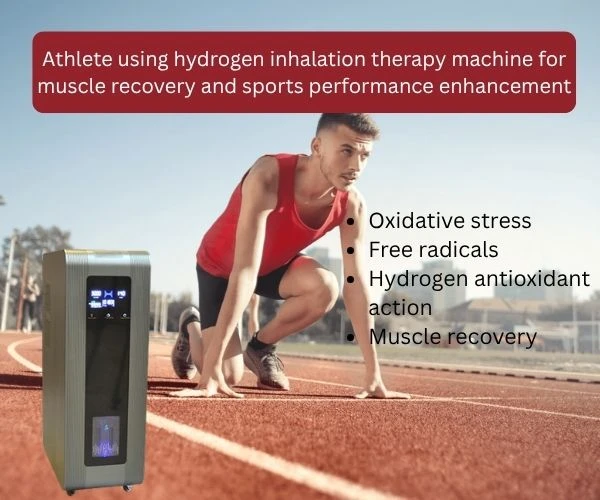
The popularity of inhalation systems can be traced by the growing number of various clinics and recovery centers using them there. The apparatus like a hydrogen therapy machine is used to administer controlled levels of hydrogen in a safe and efficient manner. This has made inhalation therapy an effective method of bringing immediate outcomes to the result of athletes.
Hydrogen therapy today is based upon sophisticated equipment that is safe, consistent and effective. The 3000ml High Purity 99.99% Oxygen Hydrogen Inhalation Machine is one such product that is aimed at delivering therapeutic doses of high-purity hydrogen.
The hydrogen therapy machine is of this type that employs electrolysis technology in the production of hydrogen and oxygen out of water making the production of hydrogen and oxygen clean and reliable. The high level of purity is needed to give the same results particularly in a professional sports setting where exact results are sought.
They are appropriate in athletes, trainers, physiotherapists, and in recovery centers. It enables regulated sessions of therapy so that the users would be provided with the correct level of hydrogen to best achieve benefits. These systems are gaining popularity due to their convenience and safety, and it is more acceptable to use them as the means to make hydrogen therapy a part of daily life in general.

Hydrogen therapy can be implemented in the daily life of an athlete in various ways, so it is a tool that can be utilized across performance and recovery. Pre-workout use is one of the methods, during which hydrogen therapy allows to prepare the body through decreasing the oxygenative stress at the base and enhancing energy efficiency.
It is also important to have post-workout sessions. Hydrogen therapy can also assist in quickening down recovery after vigorous exercise due to a decrease of the inflammation process and muscle development. This enables athletes to exercise regularly in their training without any undue exhaustion.
Hydrogen therapy can even be incorporated in every day wellness. Regular usage may aid in the long run health and performance whether by inhalation or hydrogen rich water. This ability enables athletes to customize according to their individual aspirations and training needs.
One of the queries that athletes raise is “is h2 therapy effective?” Though the research is in its infancy, some studies have produced encouraging findings in androgen areas like reduction in oxidative stress, control of inflammation and enhanced recovery biomarkers.
Research and clinical studies in the field of hydrogen therapy in sports performance have led to some possible advantages of this treatment in endurance and fatigue, as well as its management. Nevertheless, it is crucial to look at such findings with relative thinking because bigger-scale studies are required to have a comprehensive view of the long-term outcomes.
Hydrogen therapy is generally safe in case of proper equipment and guidelines. Hydrogen is not toxic and is naturally present in the body hence there are minimal possibilities of having adverse effects. But in the event of the effective system, then it is necessary to employ a reliable system and follow the suggested guidelines in order to make the use of the system safe and effective.
With the future of sports science taking new dimensions, hydrogen therapy is also deserving as an athlete pro-recovery and performance-enhancing therapy. Its scientific support, convenience, and flexibility make it a desirable implementation to all the athletes.
The increased use of h2 therapy in training exercises and post training systems indicates the possibility that it can become a mainstream option in sports performance. As technology improves and more athletes get to learn more about the h2 therapy benefits, most of these athletes will start using it in their everyday lives.
This technology is becoming more accessible with devices such as a hydrogen therapy machine, which allows athletes to enjoy the benefits of this technology both at work and at home. The hydrogen therapy can be a key to the future of athletic recovery and performance optimization as research is still growing.