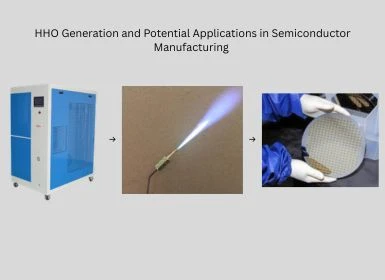
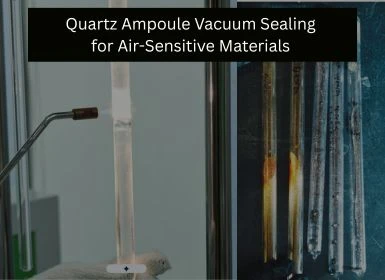
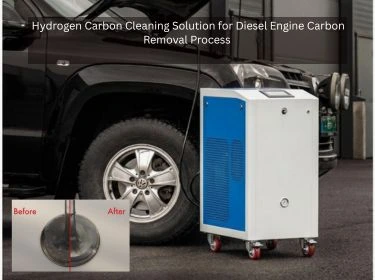
HHO gas is the term used for a combination of hydrogen and oxygen gas that is generated by electrolyzing water. The on-demand system can use electricity to split water into its components-hydrogen and oxygen, as opposed to depending solely on stored gas products. As for use, when talking about “HHO gas for”, you can find industrial uses such as the controlled heating, welding, brazing, cutting and other processes that use the hydrogen-oxygen flame.
HHO gas may also be called Brown’s gas HHO, or oxyhydrogen; the names used to refer to the gas can differ from one manufacturer to another and from industry to industry. Engineering considerations from an engineering point of view are the generation method, gas composition, output rates, gas purity and safety controls and intended use. Combustion with hydrogen oxygen differs from combustion that occurs with hydrocarbon fuels which can yield hydrogen oxygen combustion products.
The semiconductor wafer manufacturing process – specifically highly controlled thermal and surface processing technologies – have the greatest potential application in this area. The controlled flame properties of HHO would not warrant abandoning current semiconductor manufacturing techniques in favor of this technology for all processes, but may be useful for certain specialized manufacturing processes.
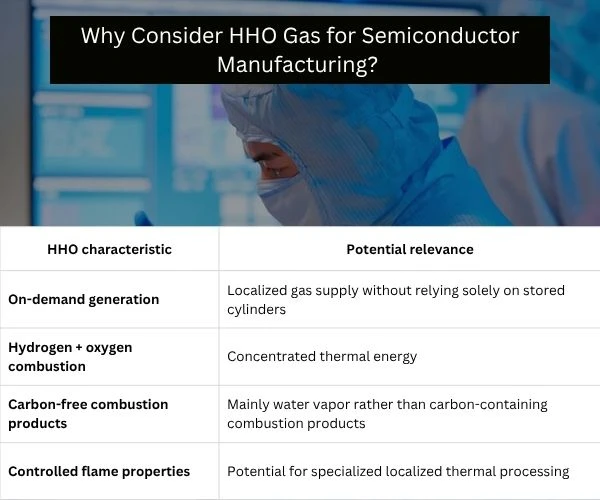
The name oxyhydrogen gas generator is applied to a system composed of a source of electrical power and a water source that are used to generate hydrogen and oxygen from electrolysis. In the interior of the electrolytic cell, the decomposition of water molecules occurs with the formation of hydrogen at one electrode and oxygen at the other electrode by an electrical action. These gases can then be worked on and delivered to a desired application.
This-generated HHO gas is fed then to a proper burner/torch with generated oxygen and converted to the concentrated flame by the reaction of hydrogen and oxygen. An on-demand oxyhydrogen system can produce gas as needed since there is no dependence on transport and storage of cylinders, unlike with conventional systems.
Modern oxyhydrogen gas generators can thus be used for such applications which involve few or no reliance on traditional fuel gas storage in order to create localized heat. The hydrogen oxygen combustion Electrolyzer technology developed by PTXSON utilizes electrolysis of H2O and is suitable for industrial uses such as oxyhydrogen welding, cutting and heating process. In an application to any semiconductor processes, the suitability of the system would have to be determined based on the specific process requirements.
There will be an oxyhydrogen engine to display its potential use as a HHO gas in semiconductor process manufacturing, which should be measured individually. HHO could be used alongside existing wafer-processing methods and equipment, but manufacturers may want to explore the possibilities of using it in a specialized thermal processing method or localized heating, or fabrication of equipment for precision applications.
The semiconductor wafer manufacturing process includes many processes for which care must be taken with temperature, material compatibility, surface and contamination. The concentrated flame from a hydrogen flame surface treatment mixture might be suited to certain processes to provide local heating; however, this factor will depend on characteristics such as flame velocity, exposure time, distance from the component and flame material.
Among the semiconductor manufacturers, repeatability is especially crucial. Such an hho gas oxyhydrogen applications benefits would thus require process qualification testing and/or validation to find out if the HHO technology will meet the required specification for thermal and cleanliness.
The hydrogen flame surface process is a likely application for localized and concentrated heat and could be explored in special manufacturing scenarios with controlled hydrogen-oxygen based flame. The process can be modified depending on such elements as the flame type, flame position, exposure time and temperature desired.
During the precision cleaning semiconductor, heat input is crucial since excessive heat input can cause heat damage to the sensitive components or change material properties. In semiconductor surface treatment applications, operating conditions would have to be closely controlled and the treatment conditions validated before use in production, for this reason.
There is also a need to make a careful distinction in the concept of “precision cleaning”, with respect to semiconductor components. A hydrogen – oxygen flame can be a clean combustion environment to the processes of carbon-containing fuel gases, but not necessarily a complete semiconductor cleaning process. Cleaning processes for semiconductors are highly application specific and may need to be application specific, chemical, plasma or other process that has been validated.
Sources of contamination are equipment, materials, handling, process gases and production environment.
A key aspect of hydrogen combustion for some applications of interest is that the combustion product is mainly water vapour, rather than carbon containing combustion product. This property could be useful if the manufacturer is seeking to minimize pollution of the semiconductor resulting from burning residues. The term clean combustion does not necessarily mean that the manufacturing process is also contamination free.
Such a use of chemical free semiconductor cleaning must, therefore, undergo objective testing if it is proposed for use as an application. When a company decides it wants to switch out an existing cleaning technology, they would have to evaluate particle generation, surface chemistry, thermal effects, as well as process compatibility. Reduce semiconductor contamination performance is not determined by fuel but rather as a part of the overall production environment.
PTXSON’s mission is built around Hydrogen Generation & Oxyhydrogen technologies from water electrolysis for solutions applied to industrial applications where the necessity is to be able to produce hydrogen and oxygen to order. It offers products like hydrogen-oxygen electrolyzers and oxy-hydrogen generators which are used for welding, cutting, heating and other thermal processing purposes.
The PTXSON Hydrogen Oxygen Generator is an electrolysis based hydrogen oxygen generator for generating hydrogen and oxygen for industrial applications in a fuel cell. A stored gas based system alone cannot provide gas generation where required, however an electrolyzer can. This may apply to manufacturers who need an oxyhydrogen gas generator to process, but in a controlled manner.
PTXSON also has a different gas output capacity of oxy-hydrogen generators available, designed to provide an oxy-hydrogen flame which can be used for applications that demand concentrated heat. Because of this, it is important that the businesses consider the capacity, gas output, flame configuration etc. of the generator before installing it on a semiconductor related manufacturing process.
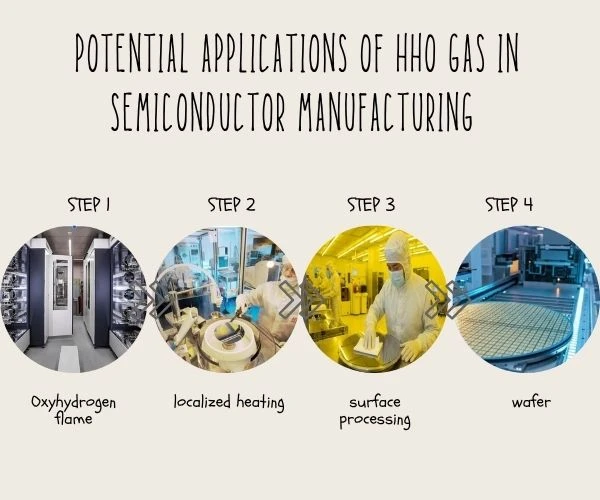
The semiconductor process industry is always seeking methods to enhance their process efficiencies, managing their resources and their environmental performance. It provides possibilities for technologies that can be developed that will produce process gases nearer their intended site. Adoption of the HHO system may be possible in certain thermal and surface-processing applications where the characteristics of the HHO system can be proven as a result of controlled testing.
The process performance is an important metric to determine the future role of HHO in sustainable semiconductor manufacturing. When deciding if an oxyhydrogen system offers them a meaningful sustainability benefit, manufacturers should consider the amount of electricity that the plant needs to consume, the use of water, the purity of gas generated, plant equipment efficiency and environmental impact.
Meanwhile, establishment of semiconductor contamination control that have been validated to help reduce semiconductor contamination continues to be of primary concern. If combustion residues containing carbon are not desired in an application then, hydrogen-oxygen combustion can have benefits, but not necessarily be assumed as being ‘chemical free’ semiconductor cleaning until there is evidence that an existing cleaning process can be substituted.
In the end, the semiconductor wafer manufacturing process requires the highest possible precision, cleanliness and repeatability. Therefore, HHO gas can be a viable alternative in select processes, but qualification, contamination testing, safety and compatibility with the existing semiconductor manufacturing requirements will make it a success of the new process.