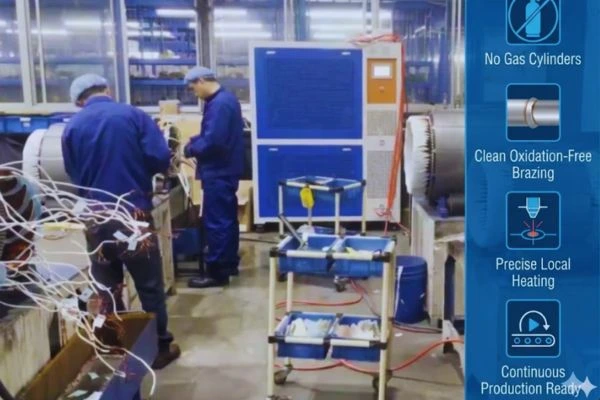
The pressure faced by modern motor manufacturers is continuously to achieve high level of performance, prolonged lifespan of the products, and inefficiency of production particularly in the booming electric vehicles (EVs), HVAC systems, compressors and automation in industry. However, in these applications, brazed joints, regarding quality, have a direct effect on electrical conductivity, thermal performance, and the overall reliability of the motor. But these additional demands are often not met by traditional means of brazing which can be very demanding.
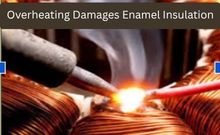
The problem of the necessity of being very accurate in the thermal control when brazing is one of the most pivotal challenges. Poorly or excessive heat will easily ruin the fragile enamel insulation of copper windings and cause short circuiting or long-term performance problems. Concurrently, the deficiency of heat may lead to feeble joints which collapse under the working pressure.
Another significant issue is oxidation. Flames that are conventional in nature are likely to produce an oxidating environment, thereby decreasing wetting of copper surfaces. It results in poor bonding, loss of joint strength and longer odds to fail in the future. This has led to the manufacturers experiencing erratic quality in production batches.
There are also high defect rates and rework. Different levels of control over flame and manual handling elevate inconsistency in the process of brazing, causing hardships in attaining the repeatability of outcomes. This does not only reduce the rate of production but also increases operation cost through wasting of materials as well as increased labor.
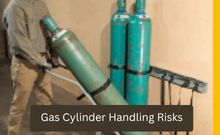
Safety and logistics make it even more difficult. Gas cylinders have leakage and storage and handling risks. High rates of changing the cylinder may result in downtime, break the production line and overly rely on the outside supply chain.
Lastly, it is becoming difficult to perform precision soldering on miniature motor assemblies. With the progress made in the compactness and complexity of motor designs, the operator has to do so, with a high degree of both localized heat and generalized, local components. Such precision work, like in traditional methods, may not be achievable due to the lack of a lot of control that is necessary in such work.
 |  |  |  |
Motor winding connections are critical electrical paths. Even small brazing defects may lead to overheating, energy loss or premature motor failure.
The oxy-acetylene brazing and LPG torches used as the traditional brazing systems were never designed to be very precise as demanded by the modern electrical assemblies. Although these systems have been in operation in the industry over the decades, they are becoming more and more inappropriate when it comes to use in processes such as motor winding brazing where precision, cleanliness and control is of great essence.
Carbon contamination is considered as one of the greatest disadvantages of traditional systems. Fuels that are based on hydrocarbons leave carbon behind during combustion which may settle on copper surfaces and disrupt proper bonding. This contamination lowers the quality of the joint and could cause long time reliability problems, particularly in high performance motors.
The other serious constraint is the broad heat-sensitive area. Traditional fires are hard to contain exactly, and they usually subject nearby places to too much heat. This may abrade enamel insulating layers over windings, bend parts and violate the structural integrity of frail assemblies.
There are also operational inefficiencies that contribute to the challenge. The constant replacement of gas cylinders during production discontinues its flow, which results in downtimes and reliance on supply-logistics. Even the smallest disruption in a high-volume electric motor manufacturing process situation may result in significant losses in productivity.
It has also turned out to be more demanding in matters of safety and compliance. The risks associated with handling, storing, and transportation of gas cylinders include leakages, fire risk, and regulatory compliance. With the increasing standards of workplace safety, manufacturers seek safer and leaner options.
On the cost front, old systems might seem cost effective at first sight, but in the long run they have high operation costs. They are the fuel expenses, maintenance, handling of cylinders, and reworking and inefficiencies.
With the ongoing changes in motor technology as being designed into a smaller size and with a greater efficiency, brazing techniques also need to change. Accuracy, reproducibility and clean processing are not an option anymore, they are the key to achieving current production standards.
| Parameter | Traditional Flame | Oxyhydrogen Flame |
| Emissions | Carbon emission from hydrocarbon fuels | Clean combustion (water vapor as by-product) |
| Oxidation | High oxidation risk on copper joints | Reducing atmosphere prevents oxidation |
| Gas Supply | Requires gas cylinders | On-demand gas generation from water |
| Heating Control | Wide heating area, less precision | Micro-precision heating with focused flame |
| Safety | Cylinder handling risks | Safer, no stored gas |
| Process Efficiency | Inconsistent results, more rework | Consistent, repeatable performance |
This case of comparison is why industries are slowly adapting to similar advanced technologies such as the oxyhydrogen generator for brazing, which are cleaner to operate, have better control and are more safer to use in modern electric motor winding manufacturing industries.
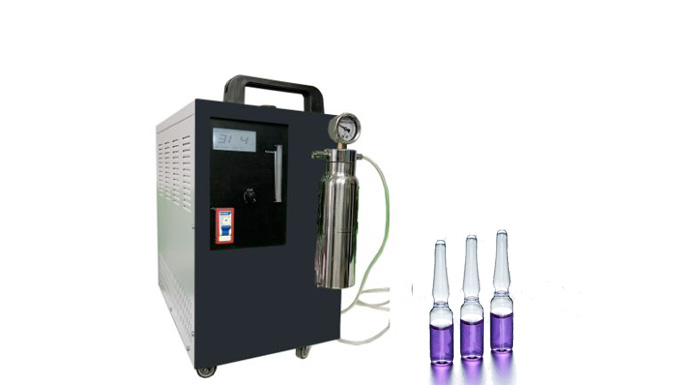
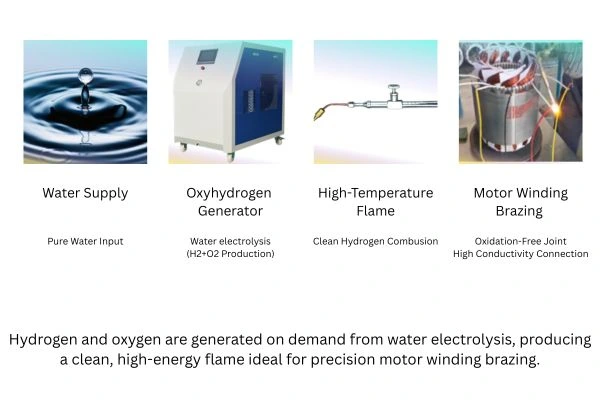
The Oxyhydrogen flame brazing for copper is a major step in the area of precision joining technology especially in processes such as soldering where precision, cleanliness and consistency are of paramount importance. In contrast to the traditional system based on the stored fuel gases, an oxyhydrogen generator allows the generation of hydrogen and oxygen on the demand with the help of water electrolysis. This is not just to do away with the use of gas cylinders but also to provide continuous and constant supply of gas during production.
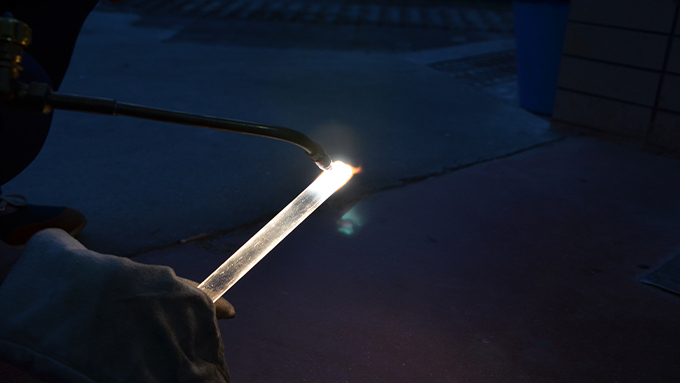
The resulting hydrogen-oxygen mixture produces a high-energy flame that is at a temperature of around 2800 O C. The difference between this flame and any other is not simply the intensity, but its controllability. The flame can be regulated to a fine degree of precision so that it only delivers heat in the required areas hence it is very useful in fine and compact assemblies.
The capability to do numerous tasks simultaneously is one of the advantages of this system which makes its functioning one of the most significant. The flame is capable of removing enamel insulation instantly off copper windings as well as allowing it to be brazed in one step. All these have the benefit of cutting down process time, having no additional pre-treatment stages and enhancing overall production.
One more advantage is the high concentration of heat zone. When compared to the traditional flames, which transfer the heat to a broader space, oxyhydrogen flames can be directed directly to the joint. This will reduce thermal effect on the other nearby elements, and thus, damages insulation layers are avoided and chances of deformation and material stress is minimized.
The thermal management is also especially crucial to the contemporary motor designs, and it is where the components are tightly-packaged and heat-sensitive. Oxyhydrogen brazing for copper can contribute immensely to the mitigation of thermal stress that doesn’t harm the integrity of electrical insulation or structural elements. This results in increase in the product life and reliability in performance.
Consistency is another major advantage. The repeatable quality of soldering between production batches is due to the controlled generation of gases and the ability to maintain a stable flame. This makes things less variable, lowers the rate of defects and limits rework, which are important in high volume production.
Oxyhydrogen systems are clean and efficient as far as the environment and process are concerned. The emission of carbon does not occur and no toxic residues occur since hydrogen and oxygen combustion do not lead to the emission of carbon. It provides a clean, controlled oxidation environment and is thus very advantageous to copper brazing where surface purity is a prerequisite to robust, consistent joints.
As a whole, oxyhydrogen flame brazing cannot be seen as a simple step progression, rather it is a game changer that responds to the current electric motor winding manufacturing needs, which are accuracy, efficiency, safety and greenness.
Efficiency and consistency play a central role in the modern manufacturing environment to ensure the maintenance of productivity and decrease operational costs. Among the main benefits of switching to new methods of brazing, the opportunity to simplify production processes should be mentioned. The classic ways of brazing may take a lot of time and a lot of manpower with a lot of inspection and quality control, and this may delay the production process and cause inconsistencies.
Cleaning with mechanical enamel removal —> Chemical cleaning –> Pre-heating –> Brazing –> Rework inspection
In traditional working procedures, enamel insulation will be required to be removed first by mechanical means, which may take some time but could ruin the conductor, unless handled with due care. It is then washed using chemicals to dissolve any leftovers and oxidation, which further complicates the task and increases its handling.
This is then followed by pre-heating which will take the material to the right temperature at which brazing is required. After all these preparations can the proper brazing process be done. Even at the time, discrepancies in controlling temperature and flame tend to create defects and so a rework check is required as a final measure. This multi-stage process adds to the cycle time, dependence on labor and the chances of mistakes.
Direct flame stripping —→ Immediate brazing —→ Finished joint
The workflow is made much easier with oxyhydrogen technology. The controlled high-energy flame allows the direct removal of enamels and brazing during a continuous process. Separate mechanical stripping or chemical cleaning is not necessary since the flame itself produces a clean and oxidation controlled environment.
The process enables operators to process through stripping and brazing without interruption, lessening the cycles and enhancing efficiency. The exact heat regulation is the reason why the target area remains the only area that is treated, which reduces the number of corrections that are to be made after the process.
Consequently, the culminating joint is accomplished smoothly, more consistently and much less rework becomes necessary. This simplified working operation not only increases productivity but also leads to improvement in the reliability of the entire process and is best suited to high volume production lines where quality and speed need to be matched.
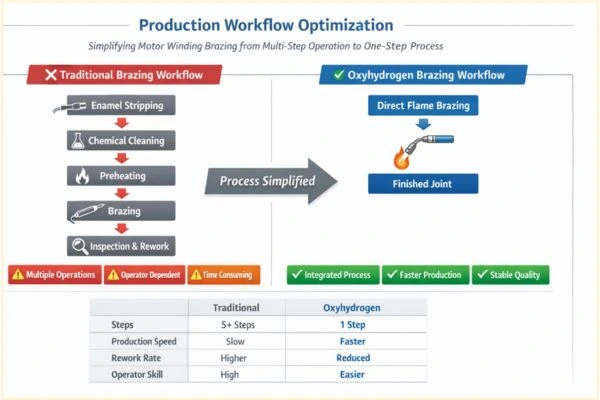
The manufacturers would only be required to take various processes at once which would save a lot of time in the production process and man dependency.
The current motor production requires sensitivity, uniformity and dependability- in this case more compact and performance oriented designs. The oxyhydrogen technology would offset such requirements since it provides a number of engineering benefits, which directly enhance the quality and efficiency of production.
Among the most significant advantages is the possibility to provide very localized heat. The focused oxyhydrogen flame is only focused on the joint area and not the spread of unwarranted heat. This will reduce the likelihood of deformation of the insulation, safeguarding of surrounding parts and even the fragile washing of the motor windings are not lost in the brazing process.
Conductivity is a necessity of copper in the performance of a motor, and the oxidation may severely decrease the quality of joints. The flame is so rich in hydrogen forming a naturally reducing atmosphere, and this helps in inhibiting oxidation in the brazing process. This guarantees clean surfaces and acts as a better wetting agent as well as electrical conductivity in the end joint.
Non-spurt of solder material in the joint in an uneven manner is prevented by uniform, controlled heating, which also creates increased penetration and stronger bonding. This boosts the mechanical strength and longevity, thereby minimizing the risk of joint failure during the working stress. Repeatability across batches of production is also enhanced with the consistency of the process.
Oxyhydrogen generators have the benefit of generating gas on demand when required unlike traditional systems that use gas cylinders. This will allow them to do away with the delays associated with changing cylinders and guarantee the presence of continuous supply of fuel. The process of constant working is not only beneficial in terms of increased productivity, it also minimizes the reliance on the external logistics of gas availability making the system more efficient and independent.
Modern manufacturing settings are undergoing a transformation in the importance given to safety and environmental adherence. Oxyhydrogen systems are cleaner, safer as compared to the traditional fuel-based brazing.
These systems eliminate the necessity of keeping high-pressure gas cylinders storage by making gas on-demand using water. This goes a long way to minimize leaks, explosions and accidents during handling.
The system generates hydrogen and oxygen upon usage, which improves safety because, there is reduced combustible gases presence in the workspace. The overall energy efficiency is even enhanced by this controlled generation process.
There is no fuel stored and the accidental fire could be minimized significantly because there is a regulated output of flames. This renders oxyhydrogen systems to be especially adaptable to closed or densely populated production set-ups.
Water vapor is the sole by-product of the oxyhydrogen burning. This removes carbon emissions, soot and toxic fumes thus making the work environment cleaner and avoiding extra ventilation systems.
With stricter safety regulations, the manufacturers are forced to use less environmentally harmful and more safer processes. Oxyhydrogen technology enhances the quality of modern safety and environmental standards, which is easy to achieve because it meets the requirements of the regulations by companies.
The flexibility and the ability to integrate oxyhydrogen systems to the current manufacturing systems is another significant benefit of the systems. These systems are flexible to different production systems without huge modifications.
Oxyhydrogen generators may be installed in various forms such as:
It is designed to be fully scalable and with a steady flame output so that it is capable of providing stable performance even on the extreme production conditions. This renders it very applicable in the large-scale production where consistency, time, and quality have to be ensured at every cost.
In general, the oxyhydrogen technology does not only make the process more efficient but also offers one that will scale with the needs of the production and this is a worthy investment to modern motor manufacturers.