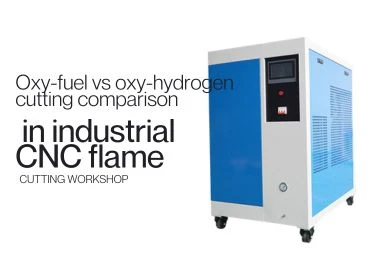
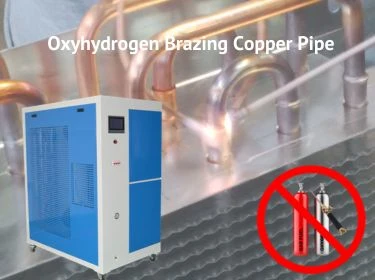
The heavy fabrication industries, such as shipbuilding, structural steel making, and the production of pressure vessels, are very dependent on the industrial CNC flame cutting as a main tool for processing metal plates that are thick. Flame-based cutting has been one of the essential technologies of shops all over the world for decades because of its capability to cut through carbon steel of large thicknesses with relatively low cost of equipment.
Manually operated torches used to be the ruling tools in cutting. But today everything is changing with automation and cleaner technologies of combustion. With the launch of high-quality gas systems, the accuracy of the hydrogen oxygen cutting torch systems has enhanced the quality of cuts and environmental performance. Meanwhile, the concept of digital manufacturing has changed the production floor, where the CNC flame cutters now provide repetitive accuracy in the mass production of metals.
With sustainability, safety, and productivity becoming the order of the day, industries are reconsidering the suitability of traditional oxy-fuels as the best systems or whether oxy-hydrogen cutting forms the next stage.
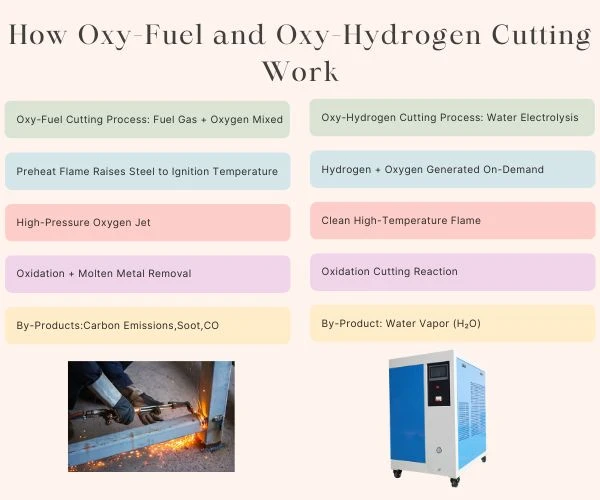
Traditional oxy-fuel is used in cutting processes in which oxygen is mixed with a fuel gas, usually either oxy acetylene cutting flame, propane, or natural gas. The most common is an oxyacetylene cutting flame that produces a high-temperature preheat flame to raise the steel temperature to ignition temperature. When a metal has attained the right temperature, a jet of oxygen under high pressure is emitted to burn and blow away the molten metal to form a cut.
The cutting is based on the rapid oxidation and heat. Acetylene generates an intense cone fire on the inside, which has brilliant preheating potential, thus suitable for heavy steel parts of carbon metals. Cost effectiveness Large-scale operations will commonly use propane or other gases because they are cost-effective, although they might take longer to preheat.
Cutting torch flame types are picked among different varieties according to the thickness of the pieces of material, the choice of fuel, and the rate of production. Intermediate, carburizing, and oxidizing flame settings impact on the quality of the cut edge and the slag. Although oxy-fuel cutting is consistent and is provided extensively, it releases carbon emissions and must be carefully tuned with regard to ensuring that there are no unnecessary oxidation or flame irregularities.
In the highly mature traditional oxy-fuel technology, there is an increasing pressure to question in the sector regarding the environmental sense of responsibility and safety of operation.
The oxy-hydrogen technology substitutes the use of hydrocarbons as the combustible gas with hydrogen. This process involves the use of hydrogen and oxygen to form a clean, high-temperature flame in which water vapour is the by-product of the combustion in oxyhydrogen cutting.
Units like Oxy Hydrogen Generator generate gas on big demand using electrolysis of water. Instead of using compressed fuel cylinders, these systems separate water into oxygen and hydrogen gas on demand, thereby greatly eliminating the risk of storage.
A hydrogen oxygen cutting torch is basically the same as any other cutting torch, except it utilizes a carbon-free flame. The oxy hydrogen cutting torch generates a lot of heat and minimal phosphorus and carbon. This is what renders it especially appealing in the use when cleaner cuts and less surface contamination are required.
The rate at which hydrogen burns is fast and clean, and hence, under ideal conditions, preheat times can be minimized. There is also no result of hydrocarbon combustion residues, which contributes to cut surfaces that are much easier to cut, as well as decreased after-process requirements.
The oxy-hydrogen cutting is a move towards sustainability that is accompanied by the ability to have a performance even on the appropriate steel cutting setting.
In a comparison between the acetylene-based torch and the cutting torch using hydrogen as the fuel source, a number of design and operation differences arise.
Conventional oxy-acetylene torches are designed to meet the features of hydrocarbon combustion, such as carbon-driven inner flames and greater sooting ability. They usually need the strong tip structures to ensure the stability of flames under serious locality heat.
A hydrogen cutting torch, in its turn, is faster than a flame and has another combustion profile. The flames of hydrogen are almost unnoticeable during the day and have a less radiant loss of heat, and this aspect requires awareness by the operator and occasionally the use of better artificially developed methods of observation.
The difference in performance will entail:
In practical use, Hydrogen systems are frequently stationed with electrolyzers so that they can operate continuously, as the cylinder does not need changing. But the increased flammability range of hydrogen demands high caution in keeping the safety measures and appropriate gas management machinery.
Final decision on whether to use an acetylene or a hydrogen torch system is entirely based on the type of material, thickness, and usage of the same in production.
The flame cutting industry has been altered by automation. Cnc flames cutting systems are increasingly becoming important in modern workshops that process steel plates with high precision and repeatability. A CNC flame cutting machine is part of a digital control, automation of the torch height, and programmable cutting path to optimise productivity.
Oxy-fuel systems, as well as oxy- hydrogen systems, are both compatible with CNCs. The products continue to be used in heavy steel fabrication because of the familiarity and well-established supply chains as compared to traditional acetylene systems. Nevertheless, systems based on hydrogen are becoming popular in automated settings with fewer emissions and cleaner cuts that can be quantified as benefits.
The most important aspects to take into account during CNC involve:
Hydrogen generators may make automated production lines more streamlined by removing the necessity to change heavy cylinders, which will decrease interruptions in the workflow.
With the rise of Industry 4.0 usage, the use of gas systems, which are easy to fit in digital manufacturing, will feature much in the fabrication plants of the future.
The safety in the industrial flame cutting settings remains at the highest priority. Conventional oxy-fuel systems entail the storage of acetylene or propane cylinders at high pressure. These fuels pose such dangers as leakage, fire threats, and transportation compliance issues.
Acetylene is also highly susceptible to pressure, and it should be stored using special storage cylinders filled with acetone in order to stabilize the gas. Decompositions may be dangerous as a result of mishandling.
Although hydrogen systems will remove the fuel storage of hydrocarbons, new safety concerns will emerge. Hydrogen has a broad flammability concern and has low ignition energy factors, which require stringent leakage detection and ventilation mechanisms. On-demand electrolyzer systems minimize the risks of large-scale storage, but still need to pay attention to the monitoring of the system.
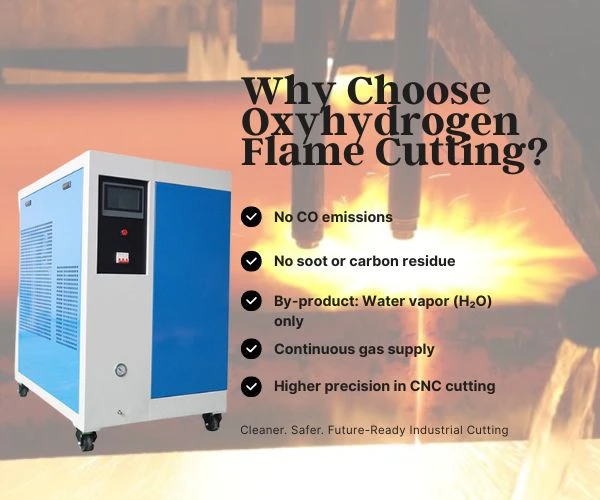
Updating and operation of both technologies consist of flashback prevention gadgets, hose inspection, and trained personnel. Nevertheless, carbon monoxide is frequently minimized through hydrogen systems, and soot-related air pollution is completely removed in closed workshops.
Finally, the safety will not be related to the selection of fuel but rather to the accuracy in following the appropriate engineering control and operating procedure.
The choice of the optimal solution to industrial flame cutting is determined by a variety of factors:
Under deep structural steel cutting of large shipyards, standard oxy-fuel could still be cost-effective. Nevertheless, hydrogen-based systems that are used with a hydrogen oxygen cutting torch may be helpful in facilities that require reduced emissions and cleaner working areas.
Hydrogen systems may minimise the maintenance required in high-precision automated systems, especially where CNC flame cutting is used. The simplicity of gas management of electrolyzer systems is also liked by CNC operators.
Hydrogen-based cutting is especially attractive in the context of a situation where the sustainability agenda is in line with operational modernization. Decreased emissions, the absence of storage of hydrocarbons, and digitization make hydrogen a solution for the future.
It is up to the decision to decide between familiarity in operations and potential in innovation. Although oxy-fuel has been a solid workhorse, oxy-hydrogen facilities have strong benefits to other facilities that have put environmental execution, optimization in safety, and next-generation automation.
Flame cutting in industries keeps on developing. With the use of traditional acetylene systems or hi-tech hydrogen solutions, the main point is to comprehend flame chemistry, system design, and integration requirements.
With the world industries drifting towards clean and more efficient manufacturing processes, hydrogen technology-based technologies will hold an even greater role to play in the future of flame cutting.