The HVAC industry is facing one of its most significant changes accompanied by increasing demand of systems characterized by high-performance and lack of leakage. With the sophistication that is being introduced into air conditioning and refrigeration systems, the expectations of durability, efficiency, and reliability of these systems have gone high. Meanwhile, manufacturers are under increasing pressure to cut the costs, streamline the production and minimize the defects. It is this two-fold challenge that is compelling businesses to reconsider the conventional manufacturing procedures- copper brazing in particular that contributes very importantly to the performance of systems.
One of the most important factors influencing brazing quality is brazing flame types control. The nature of the flame employed has a direct influence on the level of oxidation, heat distribution and eventually the butt strength ability. Weak joints, leaks and wasting costs can be the results of poor choice of flames. This is the reason why knowing what flame is used for brazing has ceased to be merely a technical fact- it has resulted in a strategic choice in the contemporary production of HVAC copper brazing. Some of the new ways that manufacturers are contemplating are taking up more sophisticated measures like oxyhydrogen systems which have a cleaner combustion process and more precise control than the conventional system.
The procurement and plant management side of the issue is not that brazing is merely a technical process: it is a significant cost to operations and the overall return on investment (ROI). All flaws, all reworking, all layers of waste brazing copper joints directly influence profit. That is why decision-makers pay more attention to using brazing technologies to minimize the amount of waste materials and enhance their uniformity.
A major benefit of brazing systems today is cut back of copper leakage failures. One of the best brazing torch for hvac production is leak defects, which typically involve a lot of rework and quality checks. Manufacturers can achieve large first-pass yield by enhancing the precision and consistency of the flame. Also, the advanced systems contribute to minimizing the consumable costs relatively to the traditional, fuel-based approach, such as oxy acetylene vs propane brazing. The rapid and reliable process will enhance the production throughput, which results in better utilization of the resources and increased output.
Common difficulties in traditional brazing flame types procedures include oxidation, lack of wetting and overheating. These not only impact the quality of joints but also increase scrap rates and scrap cycles. One of the greatest problems related to copper brazing is oxidation, which does not allow the creation of a proper bond and undermines the joint.
To resolve the problems, manufacturers should concern themselves on how to prevent oxidation in copper brazing through the use of appropriate type of flame and proper heat control. Balanced flame will ensure the copper surface is clean and that filler material flows freely and forms a solid bond. It is of special concern with applications such as brazing copper pipe where a high level of consistency is essential. Modifying flame chemistry and heating creates the potential of increased first-pass success rates, while greatly decreasing production losses by companies. Continue reading to know more about oxidizing vs reducing flame brazing.
Everything is precision in the manufacturing of heat exchanger and condenser coils. These parts are dependent on a system of hvac copper brazing pipe that should be sealed ideally to avoid any leakage of refrigerant. The slightest fault in brazing may cause the failure of the systems, their decreased efficiency, or expensive fixing.
The control of the flame and homogeneous heating is critical in obtaining hermetic sealing in brazing hvac copper refrigerant lines. This is further complicated by dense coil assemblies where heat has to be applied without harming neighboring components. Here is where superior brazing technologies become important. This performance of providing concentration and continuous heat ensures customers will have strong and reliable jointing in the application of ac copper pipe brazing. The outcome is a high quality product, an extended system life and fewer warranty claims.
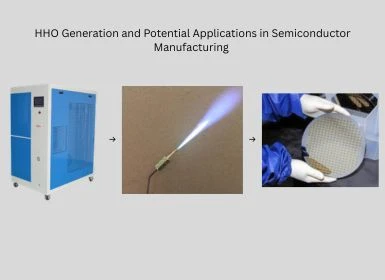
What flame is used for brazing? The Oxyhydrogen technology is becoming a game-changer in brazing in HVAC. Examples of systems describe including the oxyhydrogen flame welding machine are used to produce hydrogen and oxygen by electrolyzing water to produce a clean, high temperature flame. This oxyhydrogen torch is a carbon-free flame which is used to produce fine cuts, hence it is accurate.
Perhaps the best flame for brazing copper is that it can provide optimum flame to copper. The flame is also very easily manageable and operators can actually concentrate the flame on specific areas where it is required. This minimises the chances of over heating and guarantees a uniform quality of joints. Also, the clean burning atmosphere reduces oxidation, leading to more robust and dependable joints. Oxyhydrogen generators provide an interesting solution to manufacturers who value the best flame for copper tubing brazing.
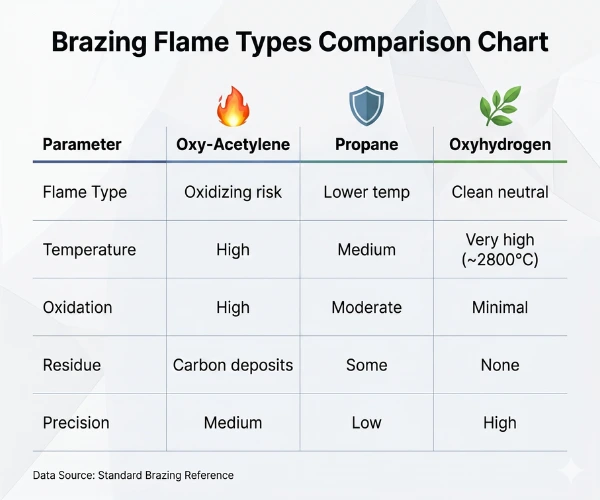
Although it had a long history, traditional brazing technologies are becoming progressively regarded as obsolete. Oxy acetylene brazing flame types tend to cause carbon deposition and an oxidizing atmosphere, which adversely affect the quality of the joint. Uneven distribution of heat may also cause overheating, destroying parts, and raising the defect rates.
When making the comparing of oxy acetylene vs propane brazing, the two methods are limited by efficacy and the ability to control it. There are also safety hazards such as leaks and handling of fuel gas due to the use of fuel gas cylinders. Such difficulties, in addition to high rework, and inconsistent quality of weld are pushing the industry towards more sophisticated solutions. With the trend moving towards quality and safety by manufacturers, the change is becoming unavoidable.
The choice of the equipment is very crucial in determining the uniform and good quality brazing flame types. The productivity, accuracy and efficiency of hvac brazing torch can greatly be influenced by the selection of the torch. The manufacturers should take an interest in the flame stability, heat control, and the compatibility with production demands.
A best brazing torch for hvac is effective because it should provide pinpoint control and the same level of performance. Oxyhydrogen solutions and advanced systems are also starting to be used in production lines to enhance efficiency and minimize variability. It is also getting assisted by automation, which is capable of assisting manufacturers to achieve uniform outcomes. As machines are modernised, quality and throughput can be enhanced and the cost of manufacturing a product can be curtailed.
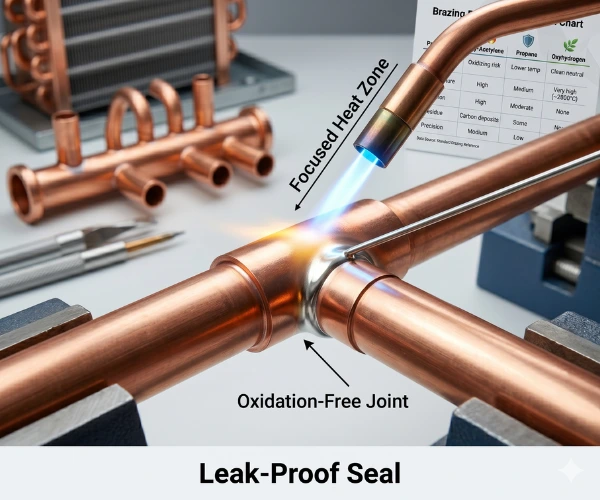
Since the HVAC industry is constantly developing, the role of the effective and dependable brazing processes cannot be overestimated. Firms that invest in cutting edge technologies find it easier to save money, enhance quality and competitiveness in the market. The cleaner processes also help in promoting a safer and more environmentally sustainable manufacturing environment besides improving joint reliability.
Planning is one of the most important steps to a high-quality outcome. Knowing the reasons as to why does a joint need to be cleaned after brazing would reduce the chances of failure in bonding and durability. Finally, it is a tactical choice of selecting the best flame for copper tubing brazing that can influence the quality of produced products as well as operational efficiency. With adoption of current solutions, manufacturers will be able to attain ROI in the long term and be in a good position to grow in future. And now you know that what flame is used for brazing is not a rocket science.