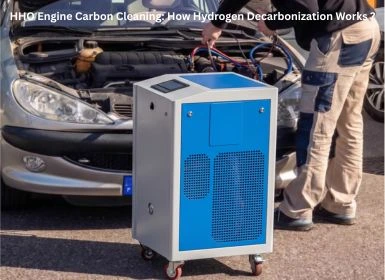
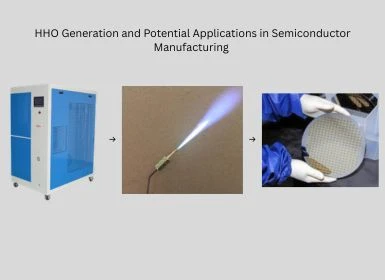
HHO engine carbon cleaning is a hydrogen-based approach to creating a decarbonization process, where a stable stream of hydrogen-rich gas is pumped into a running vehicle engine to assist the combustion process as well as to remove certain carbon deposits. The HHO gas is normally produced by electrolysing water and fed to the intake of the engine as a component of a workshop cleaning process. This is such that unlike the traditional mechanical cleaning, the process does not require the engine to be routinely opened for the cruising engine to accomplish the traditional mechanical cleaning for that type of deposits.
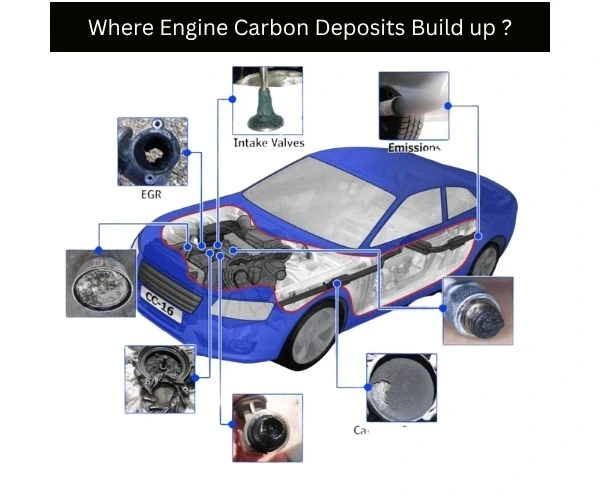
Combustion over time generates by-products that can build up in various areas of an engine. Gas deposits can occur in combustion chucks, intake systems, exhaust-gas-recirculation components and elsewhere where the hot combustion products come in contact with components or parts. When they accumulate these deposits may impact on the combustion characteristics of the engine type, the airflow system, or a combination of both, which can lead to poor engine performance.
The creation of engine carbon deposits is not the same on all cars. Fuel type, driving conditions, engine condition and maintenance history, along with operating temperatures and vehicle usage habits, can affect the location and the severity of deposits. The emissions sources from vehicles that are driven for shorter trips and for short trips that often involve frequent stopping and starting are likely to differ from the emissions from vehicles driven at higher speeds and longer trip lengths at a higher operating temperature, reduced or changeable loads.
Deposit-related problems can exist for either a gasoline or a diesel engine, although different parts of the engine and different pressures are required to keep them clean. That is, decarbonisation is only a means to a particular end, and can be seen as an engine-specific maintenance task, rather than an engine carbon cleaning method.
Carbon deposits may develop in quite a few places in an engine and the location of the deposit will indicate if an inspection or cleaning may be required. Carbon deposits can form in combustion chambers, intake systems, exhaust systems and in exhaust-gas recirculation systems. The deposits formed in a gasoline engine may be different from the deposits formed in a diesel engine due to the differences in the combustion systems, fuel delivery system, and system used for emissions control.
A popular topic is the intake valve. The issue of intake valve deposits can be significant in gasoline direct injection engines because the fuel is sprayed into the combustion chamber instead of being filtered over the intake valves. For example, in some engines, the fuel may not be used to wash the valves as it is in some engines with port injection. The deposition buildup may create flow restrictions or damage the dynamic function of the valves if they have grown large.
Exhaust-gas recirculation (EGR) is one of the many methods for controlling emissions taught to diesel engines. The by-products of combustion can include soot, which can build up in the passages, EGR carbon buildup valve and other parts of the EGR system. As time goes on, carbon deposits may cause reduced air flow or impair the EGR system depending upon the size and location of the deposit.
DPF carbon buildup also occurs on any diesel car fitted with a diesel particulate filter. But remember, don’t use the terms “soot” and “ash” interchangeably. Soot is a combustible particulate matter which can also be removed during the DPF regeneration process under appropriate conditions, while the ash is a non-combustible component that collects on the filter’s surface over the filter life, and may need special cleaning or replacement.
Fuel injector cleaning and combustion chambers could also be affected by deposits. The injection-cleaning process is specifically designed to deal with deposits that are impacting the performance of the injectors; combustion-chamber deposits often may need other solutions depending on its location and severity. Likewise, the DPF cleaning process cannot be supposed to take place automatically as cleaners may have carried out other cleanings on the engine.
The underlying concept of HHO decarbonization is to create HHO gas by water electrolysis, and inject the HHO-rich fuel into the engine AIR system, in a controlled manner, while the engine is running. Hydrogen is involved in the combustion process, and advocates of such hydrogen energy technology exploit this combustion environment as an aspect of an approach aimed at tackling some combustion-related deposits.
Because a typical process does not involve the routine dismantling of engines. Instead, the equipment is installed in the vehicle based on the manufacturer’s operating instructions and the produced gas is supplied to the intake system for a certain time. The cleaning procedure, the volume of the cleaning gas, and the cleaning gas process conditions should be determined based on the type of cleaning equipment and characteristics of the vehicle and engine.
It is possible to use the approach in workshops providing gasoline engine carbon cleaning products and services and aim at cleaning carbon deposits created by combustion and engine functioning. It may also be used as a fuel cleaner for the general group of gasoline-powered engines, known as petrol engine carbon cleaning, although the design of the individual gasoline engine may vary significantly.
Considerations for diesel applications are different. Diesel engine carbon cleaning might require different operating parameters due to the differences in the combustion characteristics, air-management systems, and emissions-control systems employed for gasdispersion by gas-fuelled engines. For this reason a set procedure needs to be adapted to the specific vehicle and not be applied as a blanket agreement.
A realistic approach is also key. The hho engine carbon cleaning process will be dependent on the location of the deposit(s), severity of the deposit, engine condition, vehicle use, maintenance history, and specific equipment and process used. Not all deposit and component defects will react the same way to treatment.
PTXSON HHO Engine Carbon Cleaning Machine is intended for use in workshop environments where HHO support gas is employed in an engine decarbonization routine. The general equipment operation process is as follows: to add water to the system, electrolyse it to provide a hydrogen rich gas, feed the gas into the vehicle’s engine intake according to the operation procedure of the equipment, and control the gas supply.
Water is split into hydrogen and oxygen gases by the electrolysis process, thereby providing the system with the necessary gases. Thus the HHO gas that is produced is fed into the output mechanism of the machine through to the engine. For regular workshop operation it is important to consider how the workshops are connected, how the gas flows through the plant and how long the operations last.
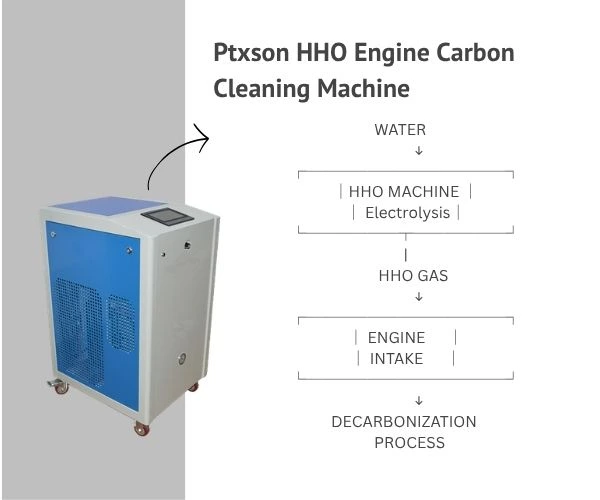
An engine carbon cleaning machine can function in various maintenance scenarios, such as in passenger vehicle service workshops, commercial vehicle service stations and fleet maintenance. But choosing equipment and operating parameters should not be done based on the vehicle size or a ‘one-size fits all’.
Operating procedure may be affected by engine type, as well as engine size (engine displacement). The airflow characteristics and operating requirements of a small petrol small gas engine differ from those of a large diesel commercial-vehicle engine. Workshop technicians should then check the manufacturer’s guidelines for equipment and parameters and review the requirements of the vehicle manufacturer before starting a vehicle wash.
Procedural discipline and safety are both important. You should follow the machine’s instructions for the water quality, electrical connections, gas delivery, operation of the machine, ventilation and shutdown procedure during workshops. Species-specific considerations for vehicles should also be taken into account, especially where it involves a sensitive engine/s and/or emissions-control system.
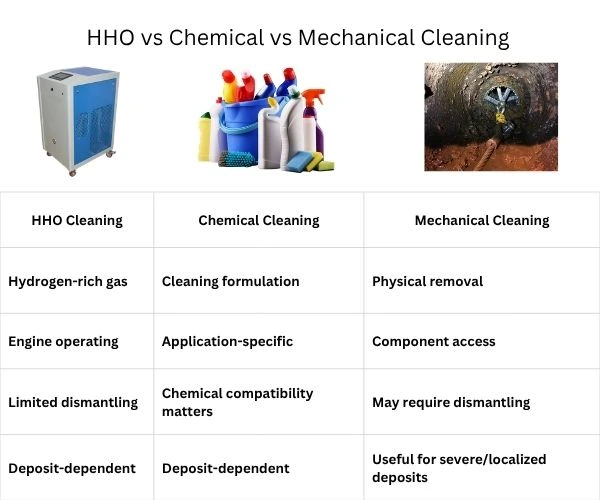
An understanding of how the engine and fuel carbon deposits are dealt with in various cleaning processes is useful when deciding on a form of engine decarbonization to use. The question of “HHO vs chemical cleaning” is not just whether one is always better than the other. Chemical cleaning involves the use of chemical formulations that are formulated to dissolve or break up specific deposits and HHO-Based cleaning is an engine cleaning method that applies HHO or hydrogen-rich gas during engine operation.
Chemical treatments may be used where a particular component or deposit calls for a product specifically formulated for treatment of that deposit. But, compatibility, concentration, and application methods need to be taken into account, as well as the instructions given by the manufacturer. Depending on the chemical component and material, the appropriate chemical procedure may vary.
The difference is more noticeable when it comes to HHO vs mechanical cleaning. Mechanical cleaning involves physical removal of deposits by accessing the part that needs cleaning. This can include removal of the intake manifold, access to intake manifold valves, cleaning of an EGR component or removing another affected component depending on the application. Mechanical cleaning can then be suitable where deposits are more severe or are localized in a particular area, and need to be physically removed.
It is not sufficient to see HHO cleaning as a substitute for all chemical or mechanical cleanings. An example is a very limited part, highly polluted intake system, mechanical failure or clogged emissions-control systems which might need specific professional cleaning, repair, or replacement.
The correct approach is dependent on the location and severity of the engine carbon deposits, access to the component and type of engine and source of the issue. In some workshop situations, a diagnosis and inspection should be made before a determination is made that HHO treatment is warranted.
A baseline test should follow a pre-test to provide a reference for improvements (or lack thereof) if an engine cleaning process is successful. Technicians can make notes before the treatment and include information like idle quality, acceleration response, exhaust smoke, diagnostic trouble codes and general engine displacement operation. If necessary diagnostic equipment is available, then scan-tool readings and other measurements that are relevant can be used to provide a baseline.
Once the equipment is soiled it can be cleaned again and the same parameters can be checked. Idle changes, throttle modifiers, smoke traits and the vehicle’s diagnosis may help to give an idea of the condition of the vehicle. We must also take into account other factors as they may have also contributed to this observation, but don’t necessarily mean that the carbon removal was the main factor.
Where and how much engine carbon deposits are especially significant. HHO treatment can work for some deposits in combustion related components, but works poorly if there have been mechanical wear, damaged components or problems with the fuel injectors, turbocharger, sensor or other fault.
Likewise, Injector cleaning and DPF Cleaning are specific processes. If a vehicle with HHO is cleaned for injector or DPF, this does not automatically mean that the vehicle has received HHO treatment. A person with a certain issue with his deposit(s) could need special injector-service equipment. Soot and ash buildup in a DPF may require suitable diagnostic and DPF-specific procedures to be considered if the DPF has an excessive deposit.
In addition to vehicle characteristics, it is the driving force that counts. The type of fuel used, mileage, driving patterns, maintenance history and engine size may impact the condition of the engine prior to treatment and the responses of the oil after treatment. Having service records and diagnostic measurements will assist workshops to make maintenance decisions which will be better informed.
HHO engine carbon cleaning (decarbonization): A decarbonization process in which the hydrogen-rich gas is added to the running engine in a controlled manner. The typical way the HHO gas is produced is by water electrolysis and delivered via the engine intake as a way to clean the engine in order to reduce some combustion related deposits.
The approach can be provided for any engine type, such as gas and diesel. However, it should be provided for a particular type of vehicle and equipment and be determined based on the manufacturer’s specifications. Due to differences in combustion and emissions systems for gas-powered and diesel-powered engines, gasoline engine carbon cleaning and diesel engine carbon cleaning could involve different operating considerations.
It is effective depending on the location of the deposit, severity and the design of the engine. In certain engines that do direct injection, intake valve deposits can be a challenge to manage, primarily due to the location of these deposits and the fuel delivery system. If it is low quality or difficult to reach, it may be necessary to screen and inspect the deposit and apply an appropriate mechanical or chemical cleaning method.
The EGR carbon buildup and the contamination from DPF carbon buildup can be treated separately. All components of the EGR system can collect soot and deposits which may need special inspection and cleaning. Similarly, carbon buildup in the DPF contains soot and ash; the latter has different properties. Depending on the state of the DPF, special DPF cleaning, regeneration and replacement may be necessary.
The difference between HHO vs chemical cleaning is that the two systems are based on very different methods: chemical cleaning consists of using special cleaning compounds while HHO treatment injects the hydrogen rich gas in the engine. HHO vs mechanical cleaning, mechanical cleaning removes the deposits physically but may involve removal of components or some dismantling of the machine. The most appropriate approaches will vary according to different deposits, degree of severity, accessibility, and location.
Yes, there is a relevance of engine displacement when deciding on the correct engine cleaning process and need for gas generation—engines can be of varying size and operation and therefore have varied characteristics with regard to airflow. Capacity of the equipment and recommended operating parameters should then be adjusted accordingly and not set as a standard value if a vehicle is used. Workshops should adhere to the manufacturer’s guidelines, and also take into consideration the vehicle manufacturer’s guidelines when hho engine carbon cleaning.