One thing many car owners worry about with rough idling is the carbon buildup in their engine.Many car owners may wonder what happens to the carbon build up in their engine with rough idling, a sluggish engine, more gasoline use, and black exhaust smoke occurring. Carbon deposits are a natural occurrence in gas or diesel-powered vehicles, occurring when the fuel is not burned completely. These deposits will build-up over time, on the intake valves and injectors, on the pistons, turbochargers and combustion chambers, causing the engine to become less efficient and perform less than at the time it was manufactured. For healthy deceleration efficiency, extended life of the deceleration unit and significant repair cost avoidance, understanding proper procedures for removing carbon deposits from the engine is essential. Now the question comes as how to clean carbon build up in engine? Routine maintenance to avoid carbon deposition on components of engine systems which can cause traveler problems with the vehicle.
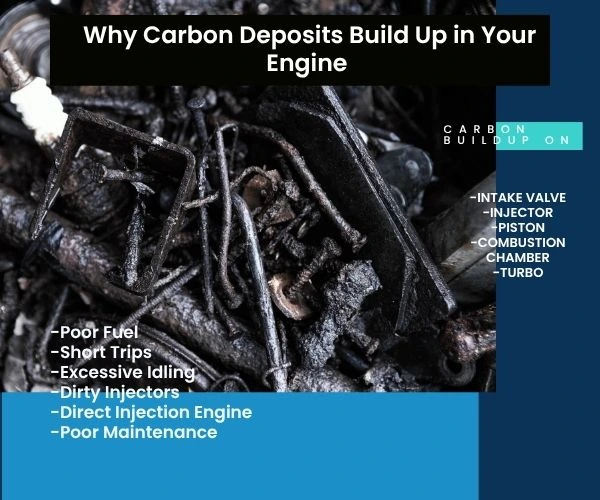
During incomplete combustion of fuel and air, carbon deposits (soot) will be formed. Carbon buildup is caused by low quality fuel, short distance driving, too much idling, dirty fuel injectors and poor fuel combustion efficiency. Modern direct-injection engines – which do not have fuel washing over the intake valves during operation – are especially susceptible, helping with engine carbon clean benefits. As deposits form, airflow to the engine is restricted and combustion performance is diminished which from time to time results in lost performance and fuel economy. With the knowledge of these causes, you’ll be able to aid explain why carb cleaning aids are growing essential for vehicle owners who are interested in achieving high engine performance in the long run.
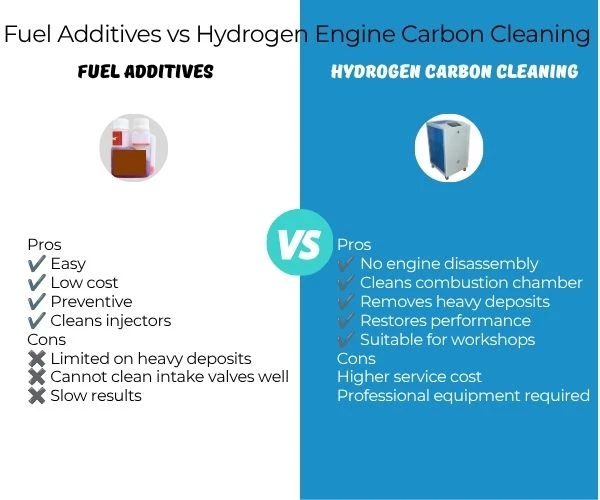
Now the people are looking for best way to clean carbon deposits in engine. Clean carbon build up in engine is one of the most popular ways to do it through the use of fuel additives. They are a chemical compound which goes straight into the fuel tank and act in the engine during use to dissolved or soften some forms of carbon stacking that might occur. If the driver is looking for the easiest method to maintaining carbon deposits cleared from engine systems, additives could be a good solution. Fuel additives can clean fuel injectors and improve combustion efficiency, though they are not as effective when it comes to heavy deposits on the inside of the intake valves, turbochargers and combustion chambers. They can often be effective at varying levels based on the severity of deposits and differences in fuel quality and roadway driving conditions.
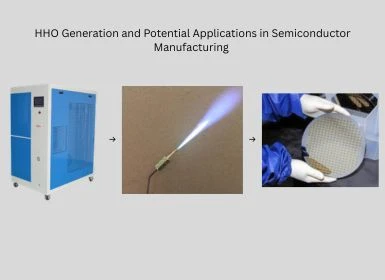
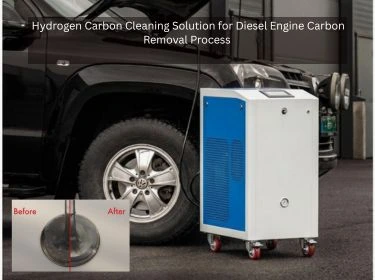
Best way to clean carbon deposits in engine is a new method in the engine maintenance field, which does not disassemble the engine parts, so as to wash the carbon substances from the engine. A hydrogen engine decarbonization machine produces hydrogen-rich gas which is fed into the engine intake system during the engine operation. The hydrogen facilitates a fuller combustion process and helps to loosen and eliminate any build-up of carbon deposits. Hydrogen engine carbon clean services are becoming the norm in workshops and fleet types because of the lack of need for invasive procedures and the process of cleaning the engine at the same time would help keep the downtimes to a minimum as well as restore the efficiency of the engine.
How to clean carbon buildup in engine? HHO gas generation by decarbonising using a hydrogen engine. The mixture of hydrogen and oxygen created is sent to the intake of the engine and is combusted in the engine. This cleaner combustion space comes with the benefit of removing hard-to-rinse carbon deposits all across the engine. Hydrogen cleaning is more efficient than manual cleaning as engine need no disassembly to achieve the cleaning. Hydrogen cleaning has become an efficient cleaning solution for workshops and fleet operators to find practical ways to clean up carbon build-up in engine systems. Due to this, maintenance providers for commercial vehicles have turned to increasingly popular “hydrogen engine carbon clean technology.”
Eng Troubleshooting, Maintenance & Rebuild owners looking into potential engine carbon cleaner feedback before and after will want to know the value of carbon cleaner removal. Drivers can experience smoother idling and a better response from the throttle, as well as a reduction in black smoke, and more even engine response and acceleration, after professional cleaning. The degree of improvement is dependent upon how much carbon deposits are already in place, and the condition of the engine as a whole. Diesel engines, and old or high mileage cars, show carbon deposits that are especially well seen by these engine carbon clean benefits.
How to clean carbon buildup in engine? One question that frequently rises from the minds of vehicle owners involves comparing fuel additives and hydrogen cleaning – which is better for removing carbon deposits from their engine systems? Fuel additives usually are used preventatively and may be suitable for light deposits. Hydrogen engine carbon clean technology, in contrast, are meant to mitigate larger carbon deposits across the combustion system as a whole. Hydrogen cleaning may offer greater cleaning for fleet operators, commercial vehicles and about-to-be used diesel engines without too much elbow grease. The best way to clean carbon deposits in engine depends on how much your car is used, how well it’s maintained, and how bad the carbon is.
How often should you carbon clean your engine? PTXSON’s specialty is in oxyhydrogen technology and offers hydrogen engine decarbonization machine solutions for automotive workshops, fleet maintenance facilities, truck service stations, and commercial vehicle operators. The PTXSON HHO Engine Carbon Cleaning Machine comes with the purpose of assisting with the effective extraction of carbon but without the need to disassemble the engine elements. How often “should” you carbon clean your engine is something that many businesses will ask. There is no fix answer to this question, depending on the operating conditions, mileage, type of fuel used, and type of engine. Many fleet operators incorporate hydrogen cleaning as part of their normal maintenance program to maximize the benefits of the carbon cleaning for the vehicle engines and minimize downtime, maximizing the performance of the vehicle engines in the fleet for long-term use.
Cleaning carbon deposits from an Engine
–There are multiple ways you can get rid of carbon build-up in engine parts, such as Fuel Additives, manual cleaning, Intake Cleaning Services, and the Hydrogen Engine Carbon Clean Technology. This will depend on the amount of carbon build up, type of engine and maintenance history. To avoid carbon deposits from impeding engine performance, regular maintenance should be performed.
Why does carbon deposit accidently form within the engine?
–Carbon deposits are formed when the fuel is not completely burned during combustion. Bad fuel, short-distance driving, idling more than necessary, Dirty injectors, contamination of the turbocharger and direct-injection engine designs can add to the rate of carbon deposit. These deposits can over time, lower air flow rates, compromise fuel efficiency and impact engine performance in many aspects.
How to get rid of carbon deposits in an engine?
–How to remove carbon deposits from engine systems is dependent on the severity of the deposits. Light deposits may be reduced with fuel additives and/or professional hydrogen engine carbon clean service may be used to give a more thorough clean without having to dismantle engine parts. To get the best results from preventative maintenance, it is recommended by many workshops that they should also operate a periodic cleaning regime as well.
What’s the advantage to a clean engine’s carbon?
–Engine carbon clean benefits that are reported normally are related to better engine performance, throttle response, smoother idling, low exhaust smoke, better fuel usage and consistency in engine performance. These responses are subject to change and may differ based on the contents of the carbon build-up of the vehicle before cleaning, and the condition of the vehicles.