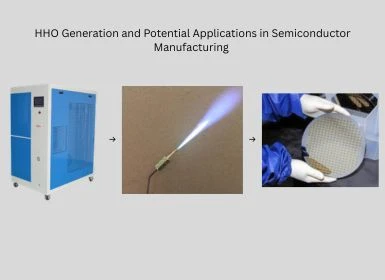
With the continual increase in interest in hydrogen or molecular hydrogen (H₂) as a novel treatment, doctors or health care providers are increasingly interested in the clinical applications of hydrogen inhalation therapy. A number of areas of wellness and research on the effect of hydrogen gas therapy in oxidative stress, cell function are under investigation. As the scientific world is increasingly interested, an important question is being asked: What’s the science behind hydrogen gas therapy? What should be considered before even discussing patients on using hydrogen gas therapy?
The piece provides an overview of the research findings, principles of hydrogen inhalation and the possible application of HIR in modern medicine.
Hydrogen inhalation therapy is a technique of introducing molecular hydrogen gas into the human body typically through inhalation. Unlike most antioxidants, molecular hydrogen is also believed to act selectively and have the capability to suppress adverse effects of harmful free radicals without impairing antioxidant oxidant/reductase mechanisms that are essential for normal cell activity.
With its smallness, molecular hydrogen may be able to easily penetrate the tissues and cells. Some of the features of this property have attracted research disciplines focused on oxidative stress, hydrogen therapy for inflammation and cellular dysfunction, making it a new research theme for some.
People usually inhale hydrogen using a special hydrogen inhalation device that provides a controlled mixture of hydrogen gas via a cannula in the nose or a face mask. Wellness, clinical and research facilities can now have portable or clinical hydrogen inhalation machines on-site.
With an increase in hydrogen gas therapy studies, one of the commonly asked questions is, how does hydrogen gas therapy work?
Molecular hydrogen enters into the bloodstream once inhaled and is spread throughout the body.
Several studies have proposed that hydrogen can act as an antioxidant against highly reactive oxygen species (ROS) and reactive nitrogen species (RNS), which are key factors in the oxidative damage.
The antioxidant effects of hydrogen gas are still somewhat unknown because hydrogen seems to selectively target the most damaging free radicals without sparing the beneficial ones. This selective action is quite different from all the traditional antioxidant supplements.
Likewise, scientists are trying to understand whether or not molecular hydrogen can preserve the health of mitochondria under specific circumstances. A severe deficiency of mitochondria has been associated with a variety of chronic diseases, making researchers look into the use of hydrogen therapy in oxidative stress and energy related diseases.
There are some preliminary research studies that indicate that molecular hydrogen can impact inflammatory signaling pathways; however, further research is required.
Promising findings from laboratory and clinical studies have led to a growing interest in HIT. The role of hydrogen in different disease states has been studied: neurological disorders, heart disorders, metabolism and inflammatory disorders.
However, molecular hydrogen (H2) inhalation has been reported to provide the following benefits:
The therapeutic benefits of molecular hydrogen inhalation are still under study in clinical trials. Though numerous studies have yielded positive results, scientists say more and bigger preventive clinical trials are still required before any definitive judgement can be passed.
However, Hydrogen gas therapy has become an increasingly popular target for research as a possible antioxidant-supportive therapy.
Studies are on-going to investigate H2 inhalation’s effects on many medical conditions and health applications.
Neurological Disorders
The underlying cause of oxidative stress is believed to be involved in the progression of neurodegenerative disorders such as Alzheimer’s, Parkinson’s diseases and injuries due to stroke etc., where excess amounts of oxidative stress has been shown. Given that molecular hydrogen is able to cross the blood brain barrier (BBB) at least in mice, studies are underway to explore the possible neurological applications of molecular hydrogen.
Cancer Supportive Care
While not a treatment for cancer, the researchers have investigated whether hydrogen gas therapy can alleviate side effects from cancer treatment like fatigue, oxidative stress and inflammation caused by chemotherapy and radiation therapy.
Cardiovascular Health
In the field of hydrogen therapy, oxidative stress has also been examined and is reported to be beneficial for preventing the vascular dysfunction, hypertension and heart failure which are observed in cardiovascular disease. Preliminary study found that it may have beneficial effects on cardiovascular health and recovery.
Respiratory Conditions
Inhalation allows hydrogen to reach the lungs directly and scientists are investigating whether inhalation could actually be a way to provide protection to the lung and inflammatory lung diseases.
Chronic Fatigue and Recovery
It is thought that chronic fatigue and low energy levels are caused by dysfunction of the mitochondria and increases in oxidative stress. Inhalation of hydrogen for helping cells produce energy has gained interest for both the medical community and wellness practitioners.
This information is for educational and informational purposes only and is not intended to be medical advice, diagnosis or treatment. At present research is progressing into this route of hydrogen inhalation therapy, and it is crucial that all individuals utilising a wellness or wellbeing gadget knows and have taken into account medical experts as specialists.
Hydrogen therapy against oxidative stress is one of the wider-spread areas of research among all possible applications.
Excessive free radicals—the chemical by-products of oxidation—are produced in the body that the antioxidants cannot neutralize are the cause of oxidative stress. This imbalance is a contributing factor to many chronic diseases, as well as aging. The anti-cancer effects of hydrogen gas may change the molecular environment, which would otherwise inhibit healthy cells, and thereby create a more healthy environment in the cells.
Researchers are also exploring how hydrogen therapy can help to reduce inflammation, due to the association between the two processes of oxidative stress and inflammation. Preliminary research has some promising indications that hydrogen can have a beneficial effect on inflammatory signaling pathways, though further research is needed.
A common question patients and health care professionals may ask is: Is hydrogen inhalation therapy safe?
Based on the recent studies, the administration of known amounts of molecular hydrogen shows good tolerance in general. Hydrogen is naturally produced in the human body in the intestines as part of microbial processes and has proven to be non-toxic in clinical trials.
Small amounts of hydrogen gas, typically 2-4% (safe at controlled levels) are used in most therapeutic protocols. The literature to date has described very few side effects which would result from the therapeutic use of hydrogen, if employed with proper caution.
This favorable hydrogen therapy safety profile is part of the reason hydrogen therapy research continues on to possibly be utilized in a wider variety of applications in the clinical setting.
However, patient-specific factors should take precedence and need to be continued to be assessed, especially in patients with high-risk respiratory disease or complicated disease.
With the increasing interest many health care and wellness practitioners may be thinking about introducing hydrogen inhalation therapy into their practice.
Today hydrogen inhalation machines are based on advanced electrolysis technology and provide inhalation of hydrogen gas via mask or nasal cannula. Various systems are available starting from a portable well-being gadgets to high-complexity clinical gadgets.
A good quality secured hydrogen inhalation machine has:
In recent years, health institutions, health and wellness clinics, rehabilitation centers, and integrative medicine offices have started to view the use of a ‘hydrogen machine’ as a new technique in their wellness device repertoire.
The medical field is slightly hopeful about the medicinal use of hydrogen gas. The potential benefits on oxidative stress, mitochondrial protection and inflammation reduction are widely recognised by many researchers.
Medical and scientific research on the benefits of inhaling hydrogen has been of interest, given hydrogen’s ability to selectively target and neutralize free radicals. Meanwhile, a number of researchers are adamant that larger, randomized clinical trials and standard treatment protocols are required, as is longer-term safety studies.
This is ongoing research and further studies will continue to provide more insight into the specific evidence and guidelines for the use of hydrogen inhalation therapy in the future.
In summary, the field of hydrogen inhalation therapy has a promising future and warrants further investigation into its potential benefits for general well-being and therapeutic purposes. However, the unique anti-oxidative effect of hydrogen gas keeps on attracting great interest in various medical fields, possible mitochondrial support and good safety characteristics.
Initial research is currently underway exploring potential applications for treatments in neurological health, cardiovascular function, inflammation and recovery support. Ongoing research and documented benefits of using molecular hydrogen for inhalation make this an area to be closely watched, although more research is needed to fully define clinical applications.
With the ongoing shift in healthcare towards more personalized and preventive treatment, hydrogen inhalation therapy might prove to be a promising avenue for tackling oxidative stress and fostering patient well-being. Physicians who are educated on the new protocols and perceptions of safety in hydrogen therapy as well as its clinical evidence and hydrogen inhalation equipment are better positioned to assess the use of hydrogen in the future practice of healthcare.